










The Button Is Pressed
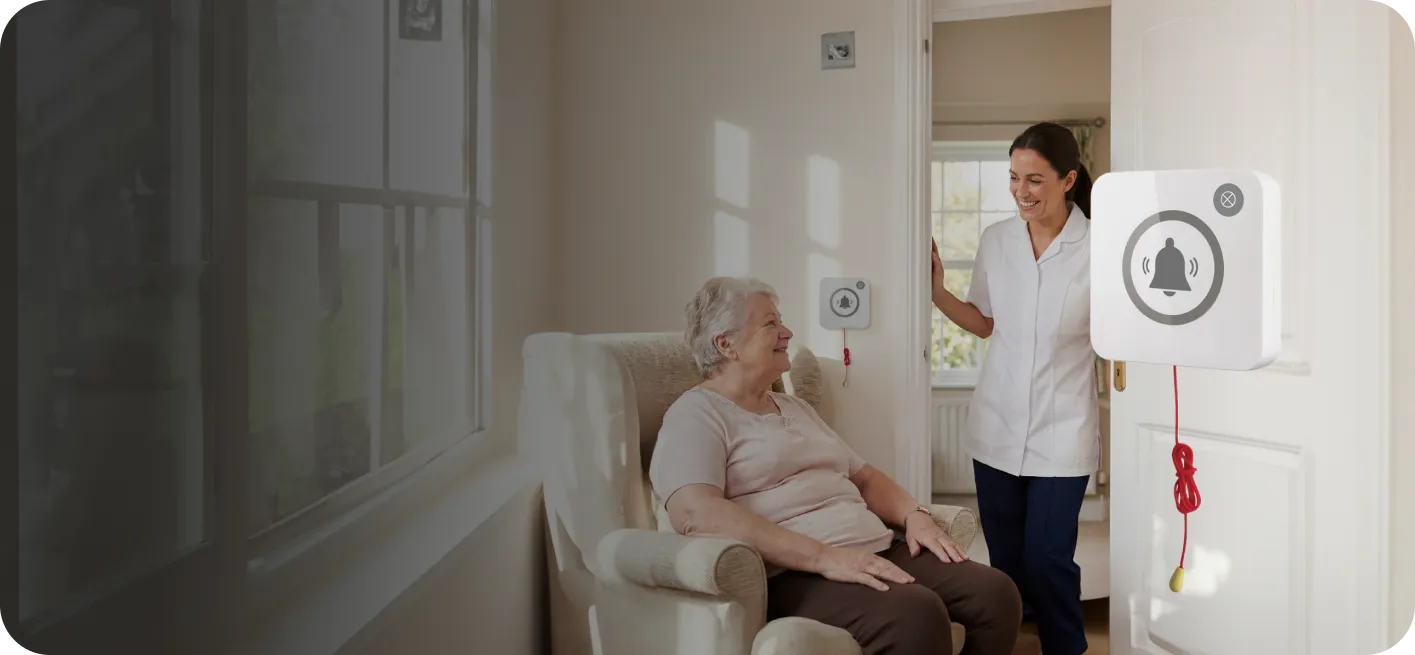
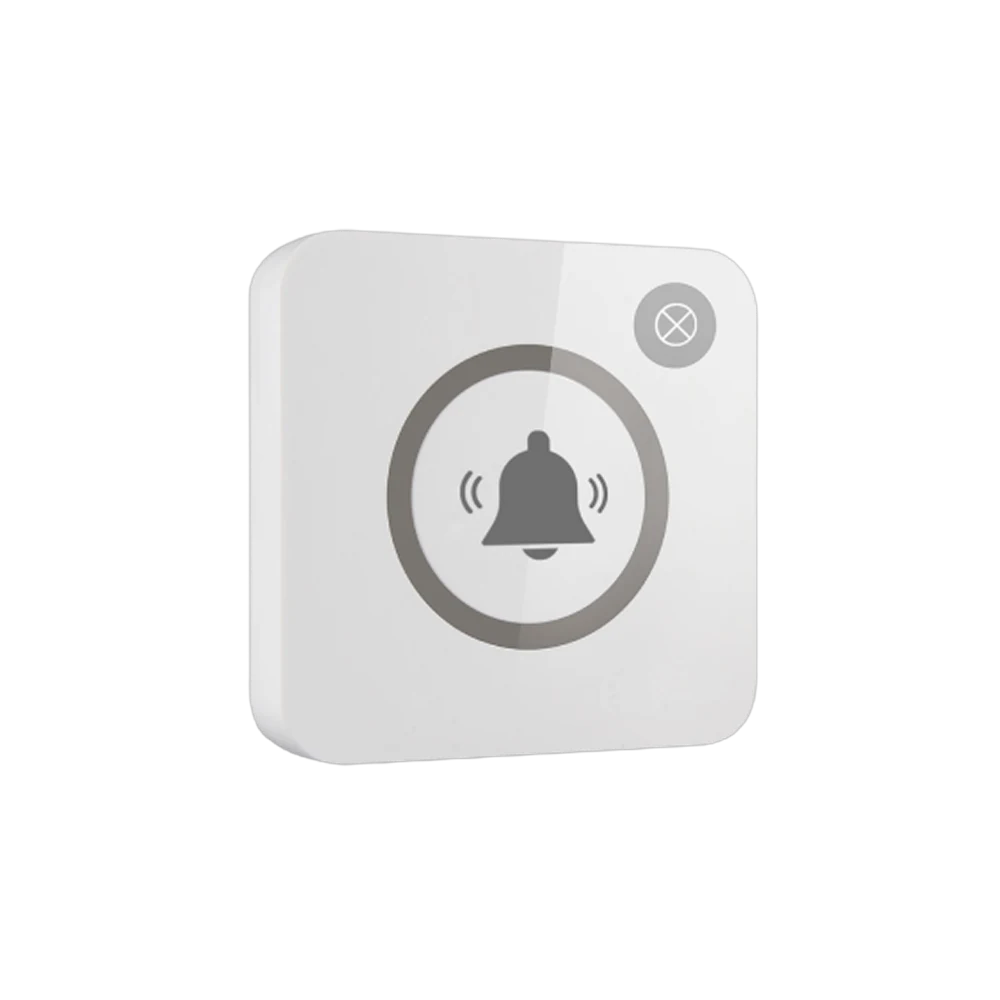
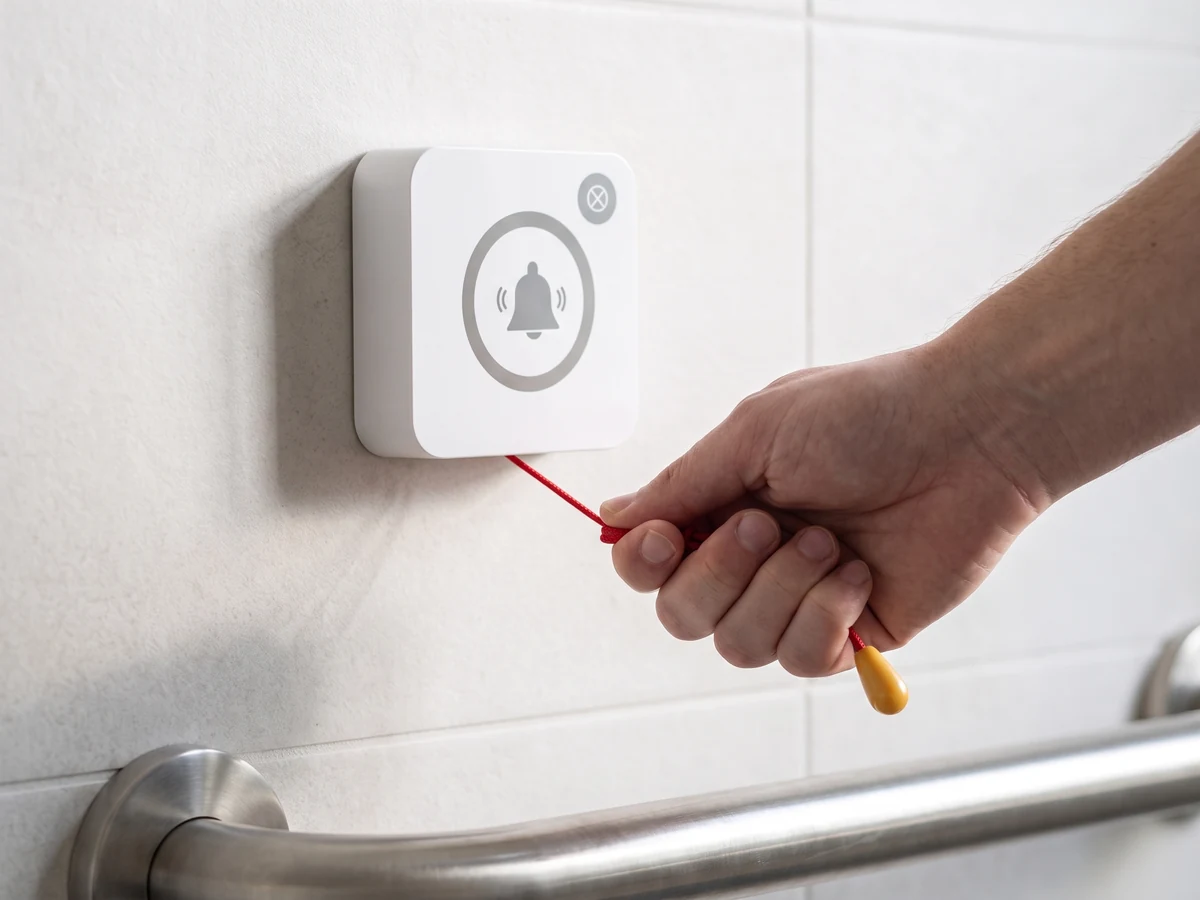
The user sends a request for help with a single touch of the P200-PL button or a pull of its cord.
Pull-cord buttons suit points where help may be needed from floor level.
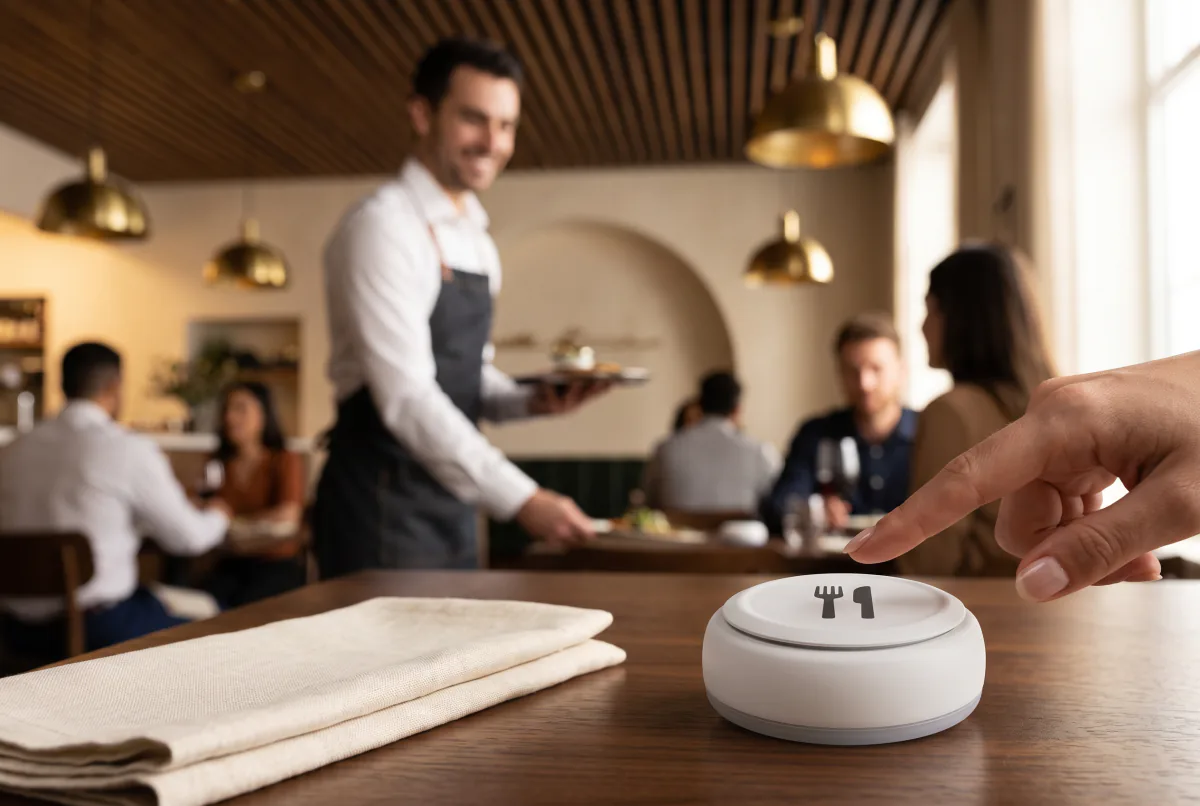
 Waiter Calling System
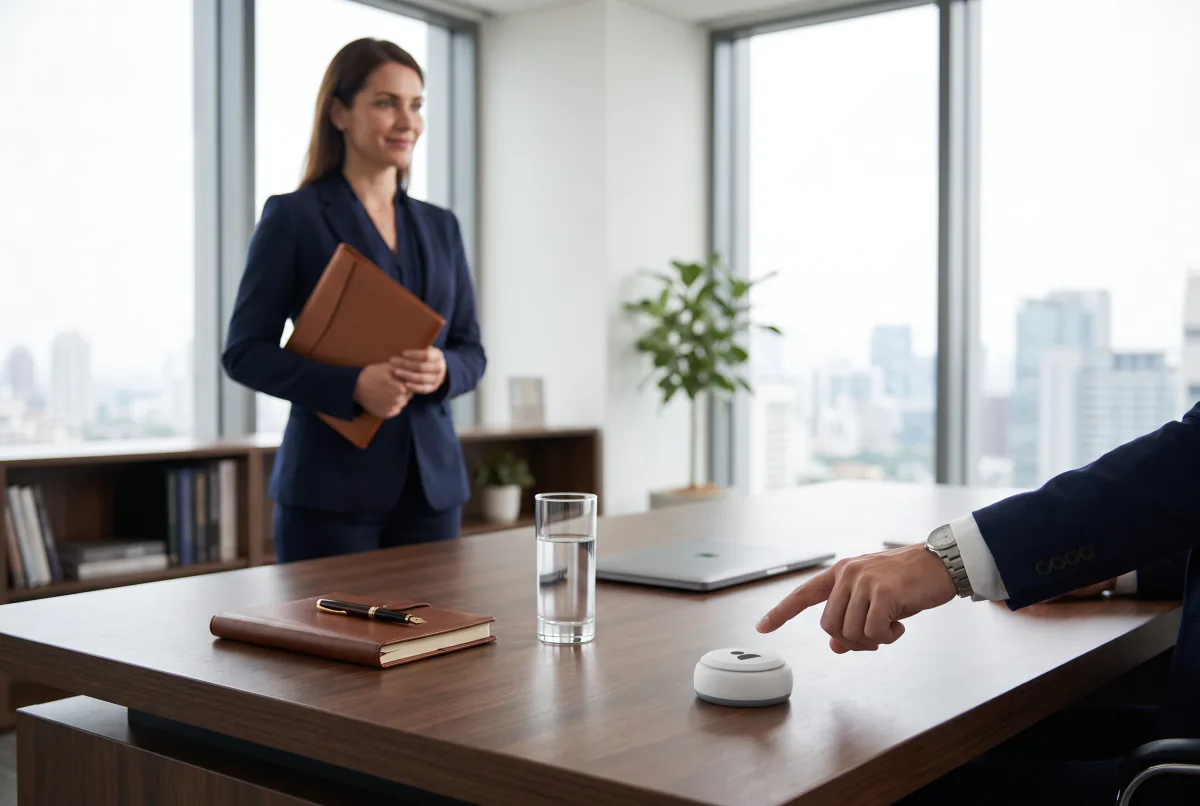
 Staff & Executive Calling System
 Self-Service Customer Calling System
 Factory Personnel Calling System
 Disabled Help Calling System
 Yacht Crew Calling System
 Buggy Vehicle Calling System
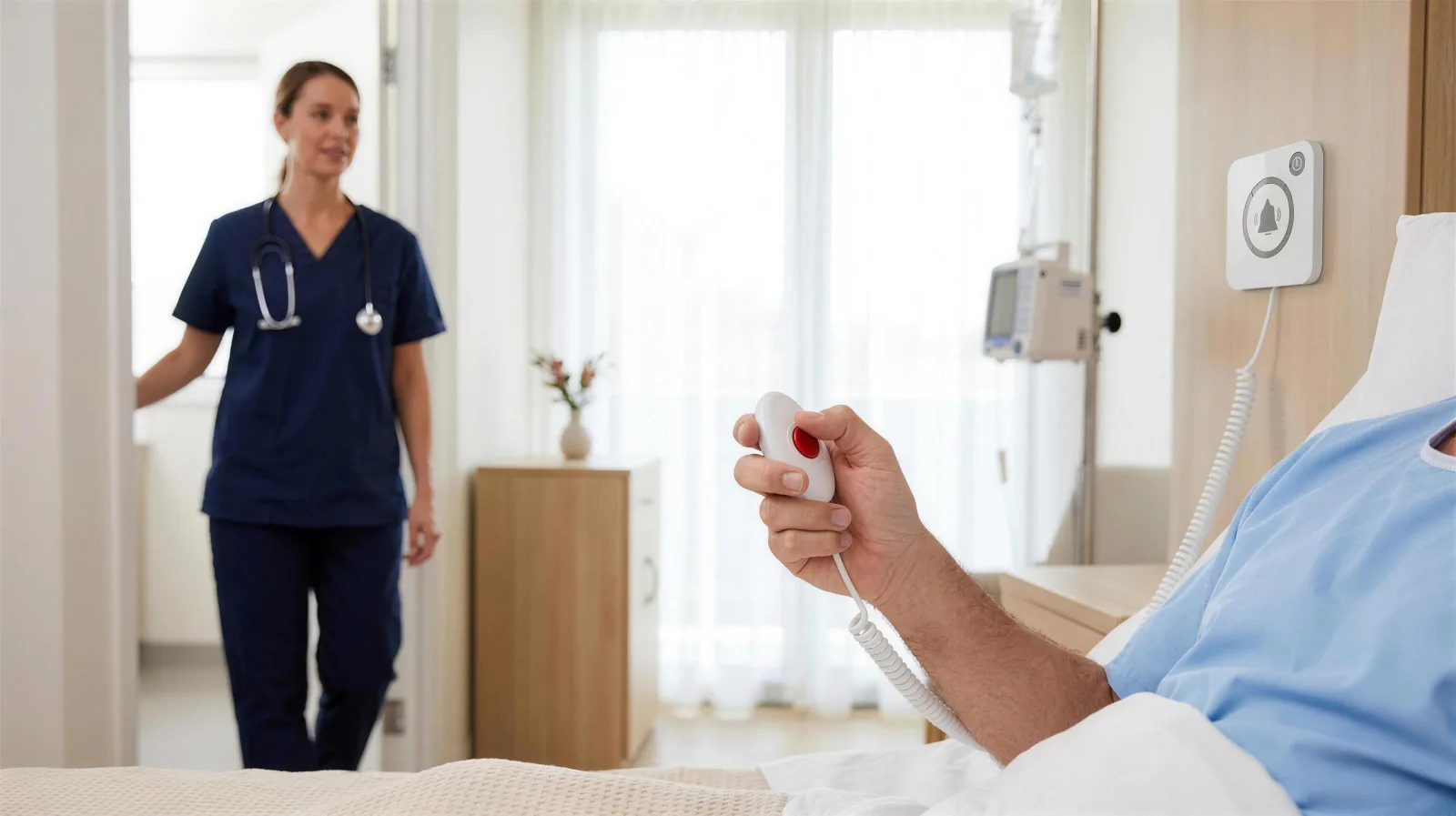
 Nurse Calling System
 Self-Service Customer Calling SystemSound, light and vibration tell the customer their order is ready.
Solutions
 VyTag Electronic Shelf LabelsOverview · products and solutions
Products
 All Shelf Labels
 Standard Shelf Labels
 Water-Resistant Shelf Labels
 Freezer Shelf Labels
 Information Displays
 Gateway & Software
 AccessoriesPrice changes in a single actionWhen the new price list arrives, don’t change thousands of labels by hand. A single gateway manages 3,000 labels across 300 m²; installation and support from Türkiye.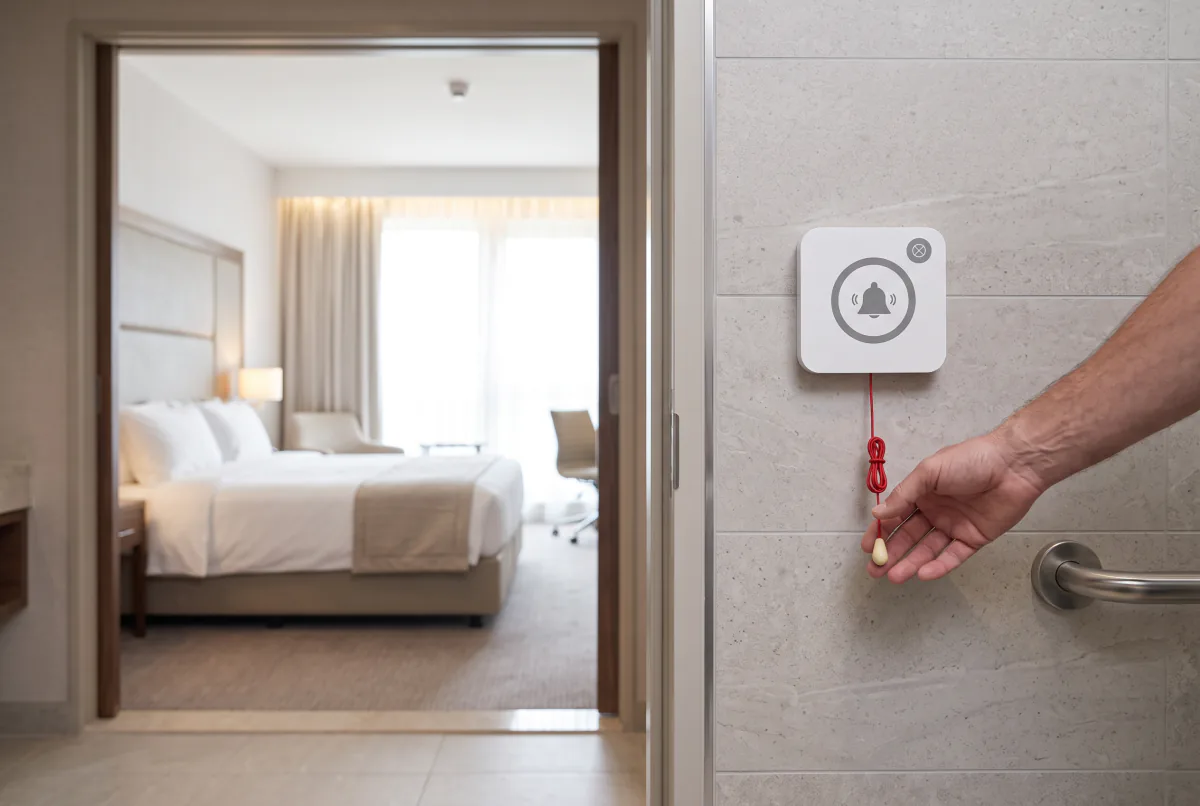
Wireless Calling Systems
See the call wherever you choose: at reception, at the counter or in security. It works without distance being a problem in tall and wide buildings.

The visitor or patient sends the request with a single touch; the wireless signal reaches the receiver and staff see which point is calling.
The user sends a request for help with a single touch of the P200-PL button or a pull of its cord.
Pull-cord buttons suit points where help may be needed from floor level.
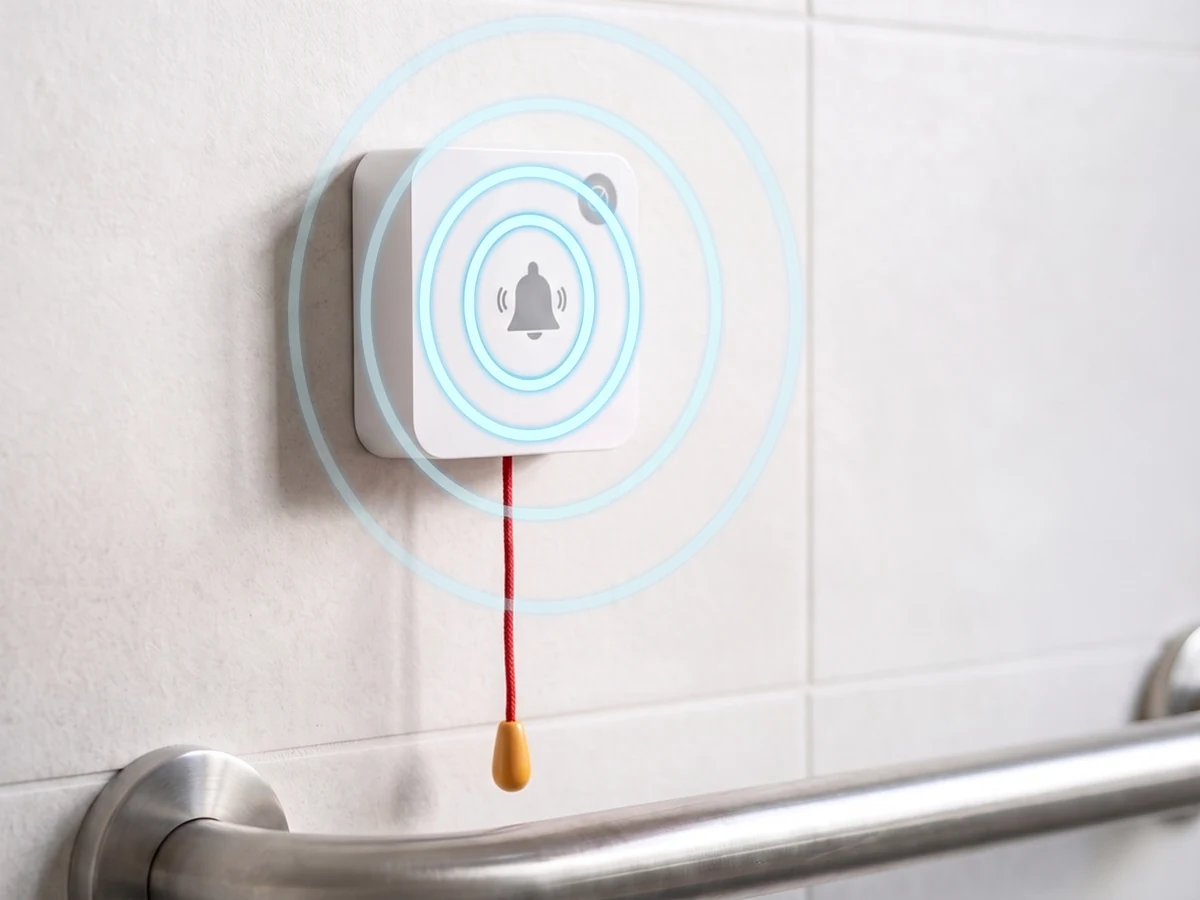
The signal from the button is sent wirelessly to the receivers chosen for the site.
The system is planned around the size of the venue and the layout of its areas.
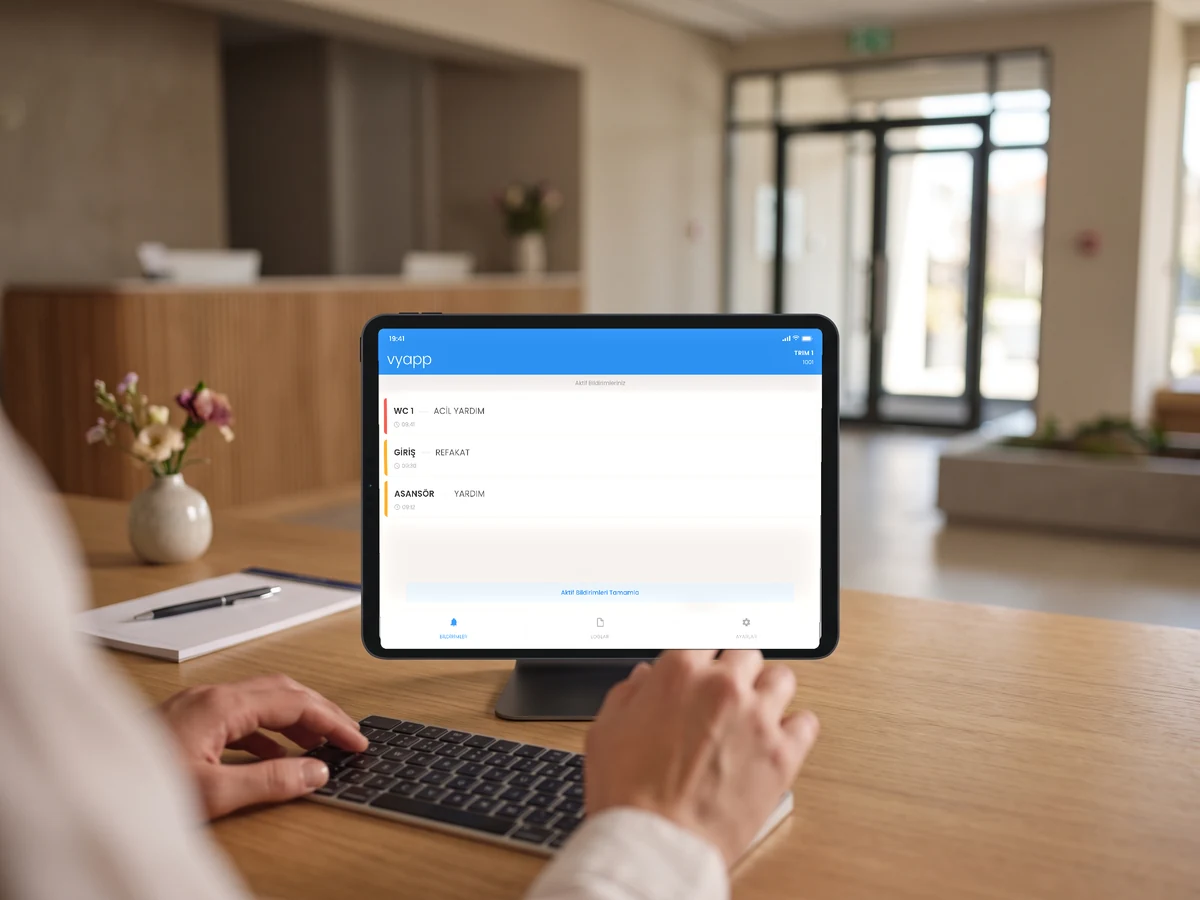
Staff see the calling point on the chosen receiver and head to that area.
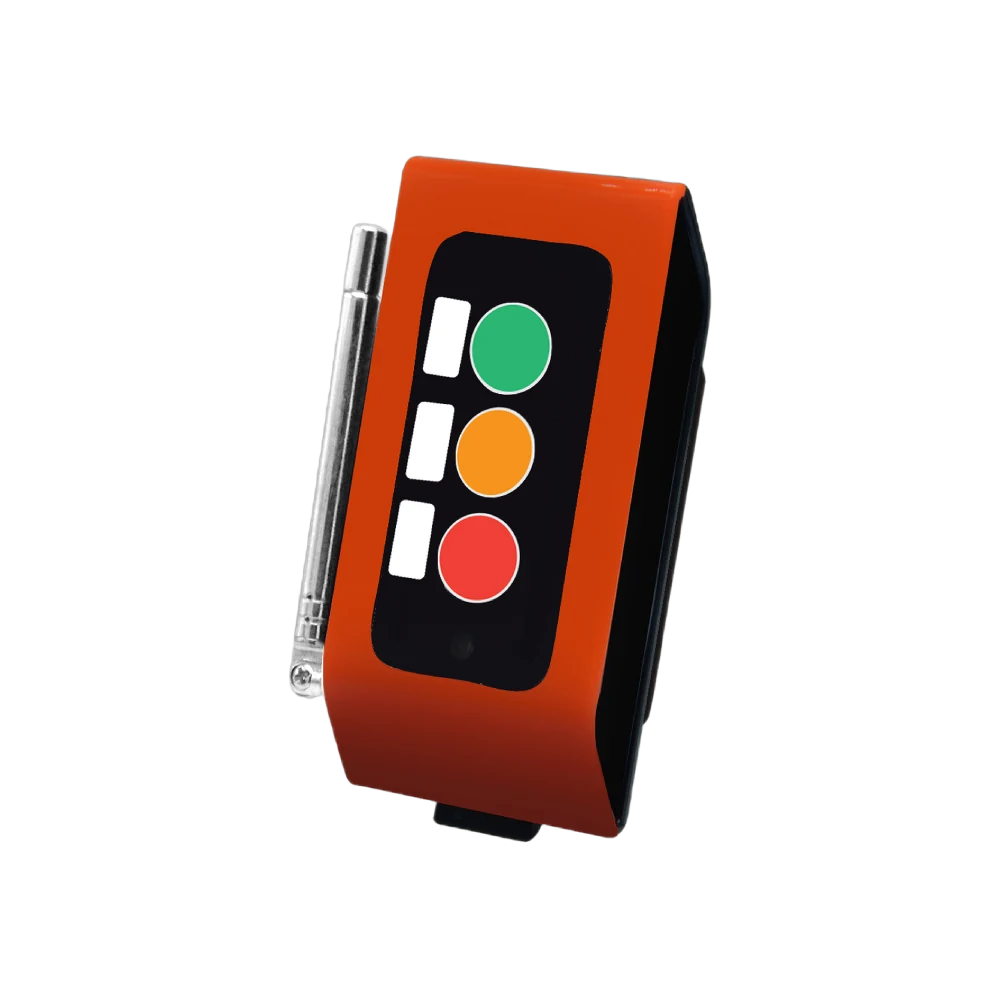
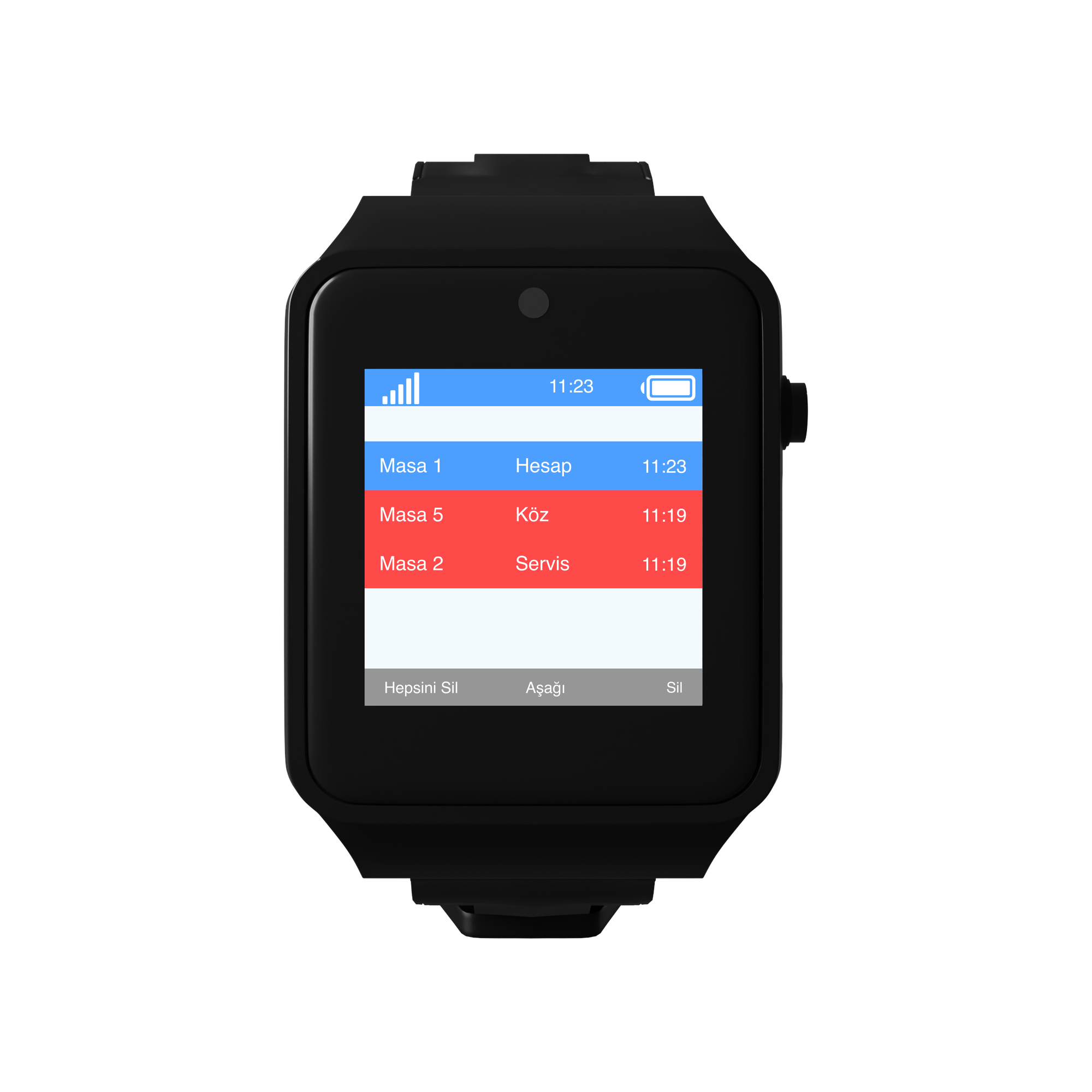
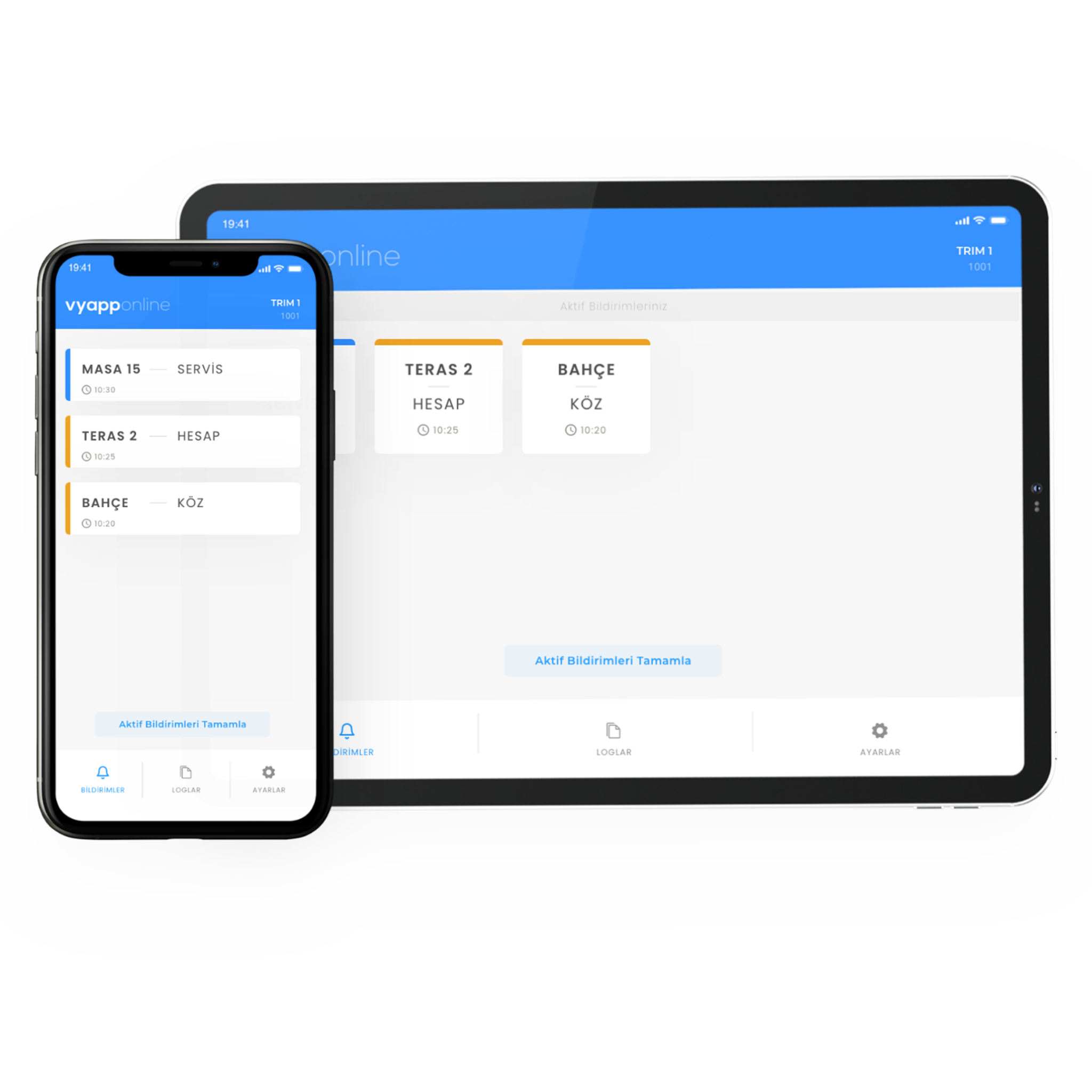
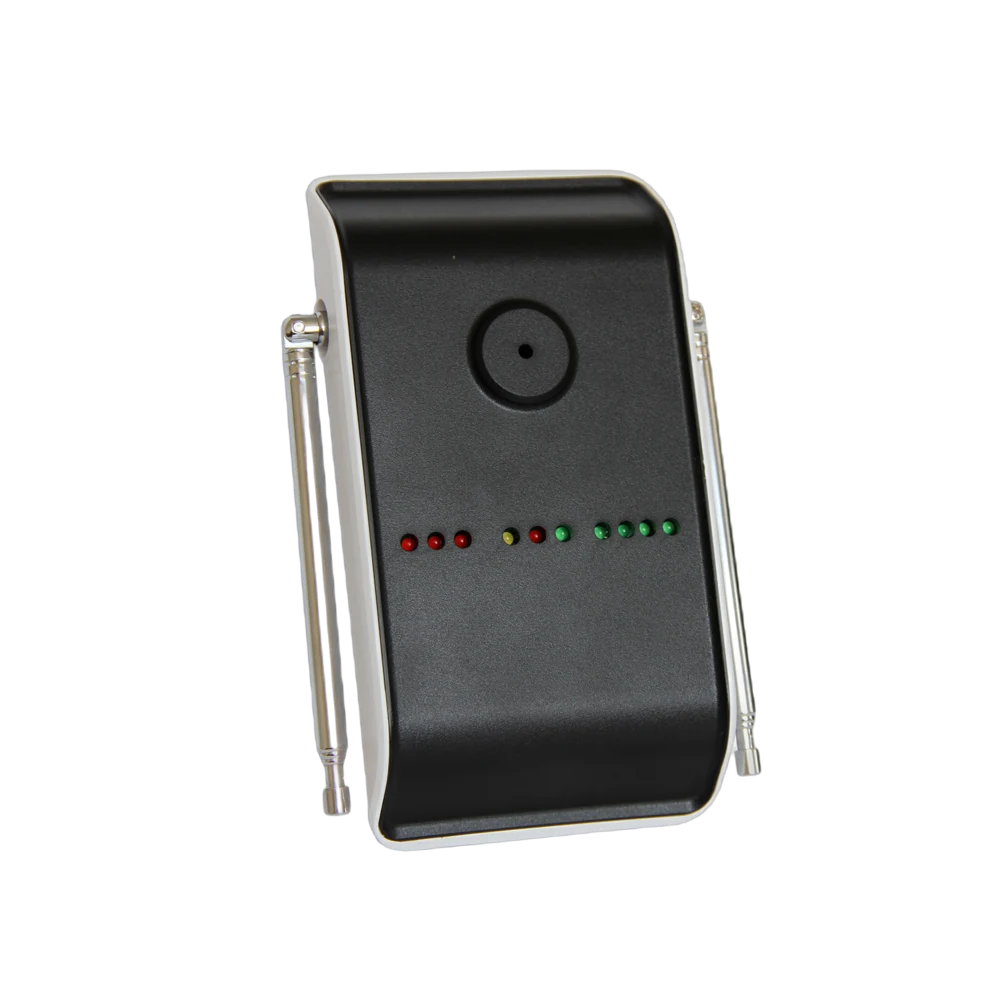
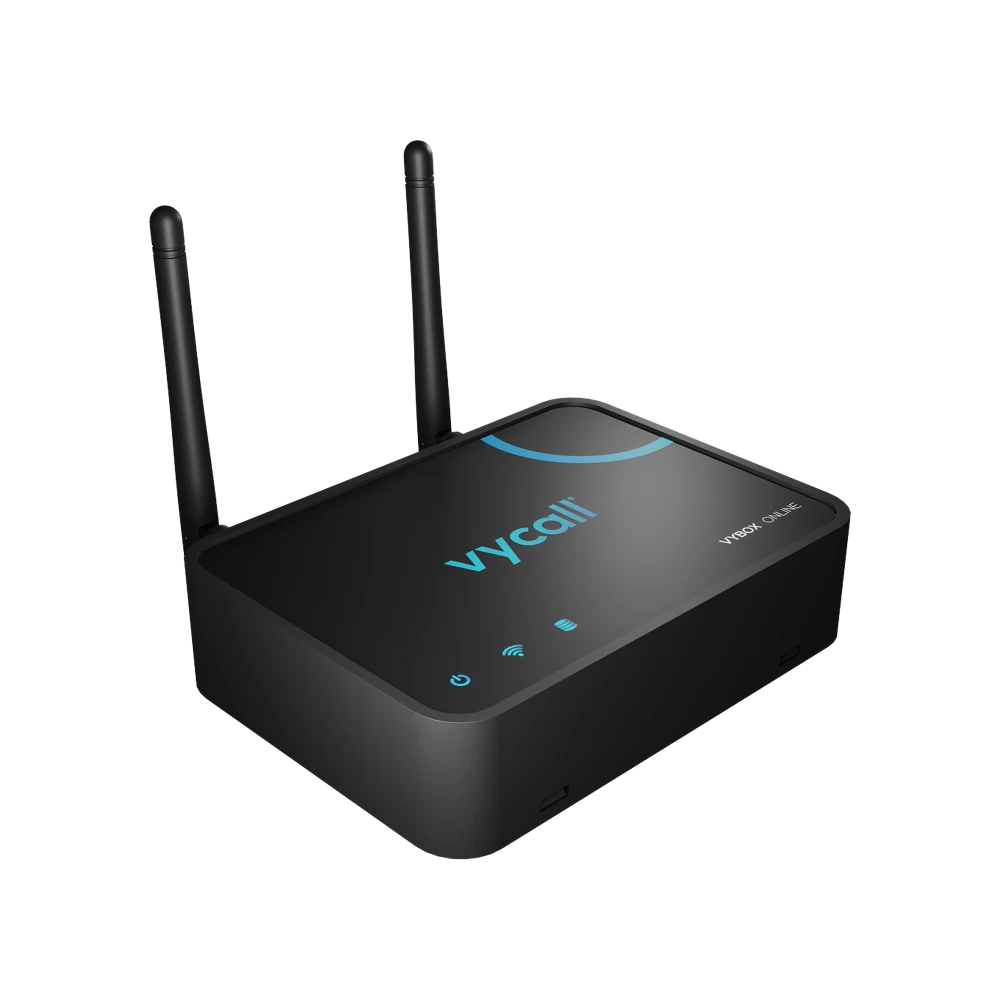
A pager, a fixed display, VyApp Smart Call or Vybox can be used on their own or together.
The same installation works from the accessible WC to the common area — tap an area on the plan and see where the call travels.
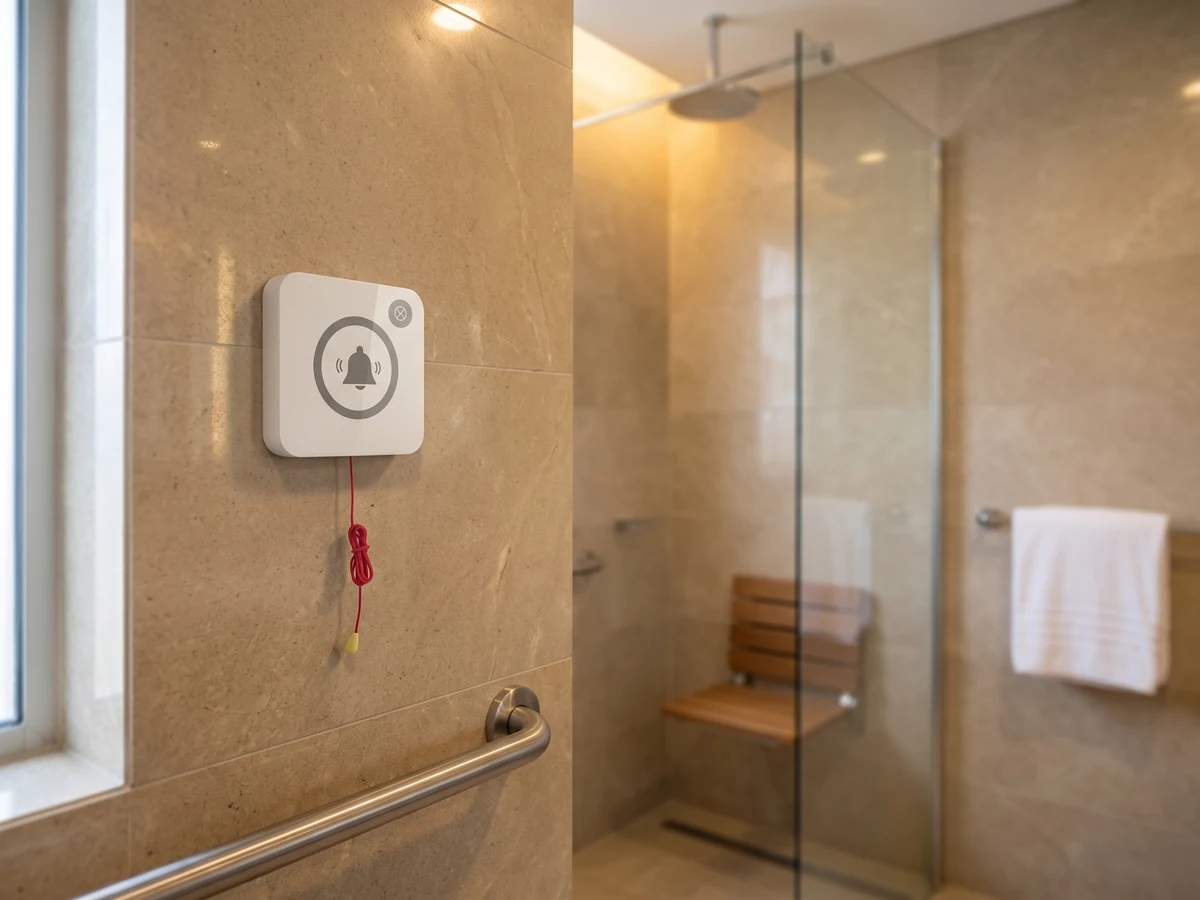
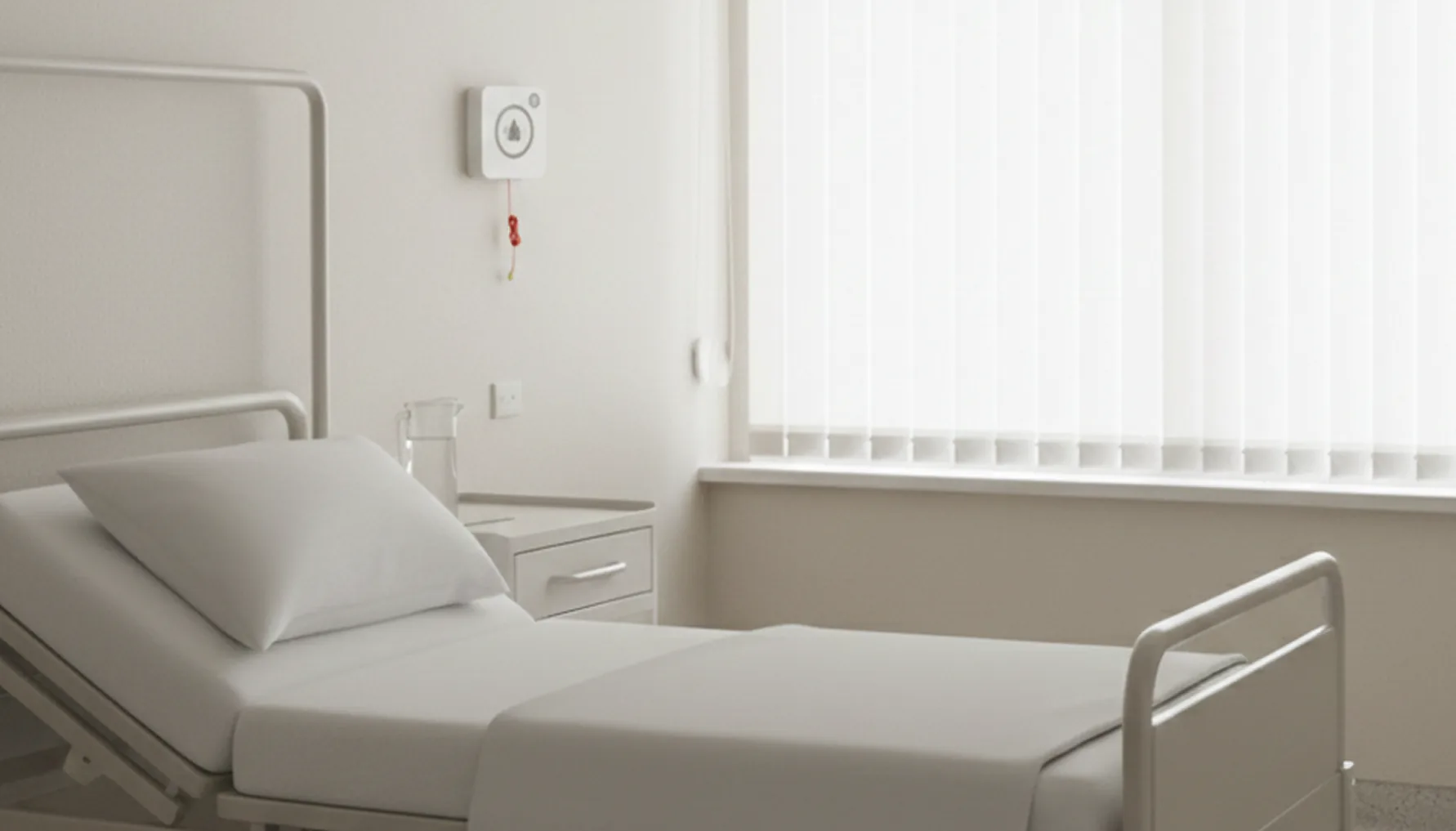
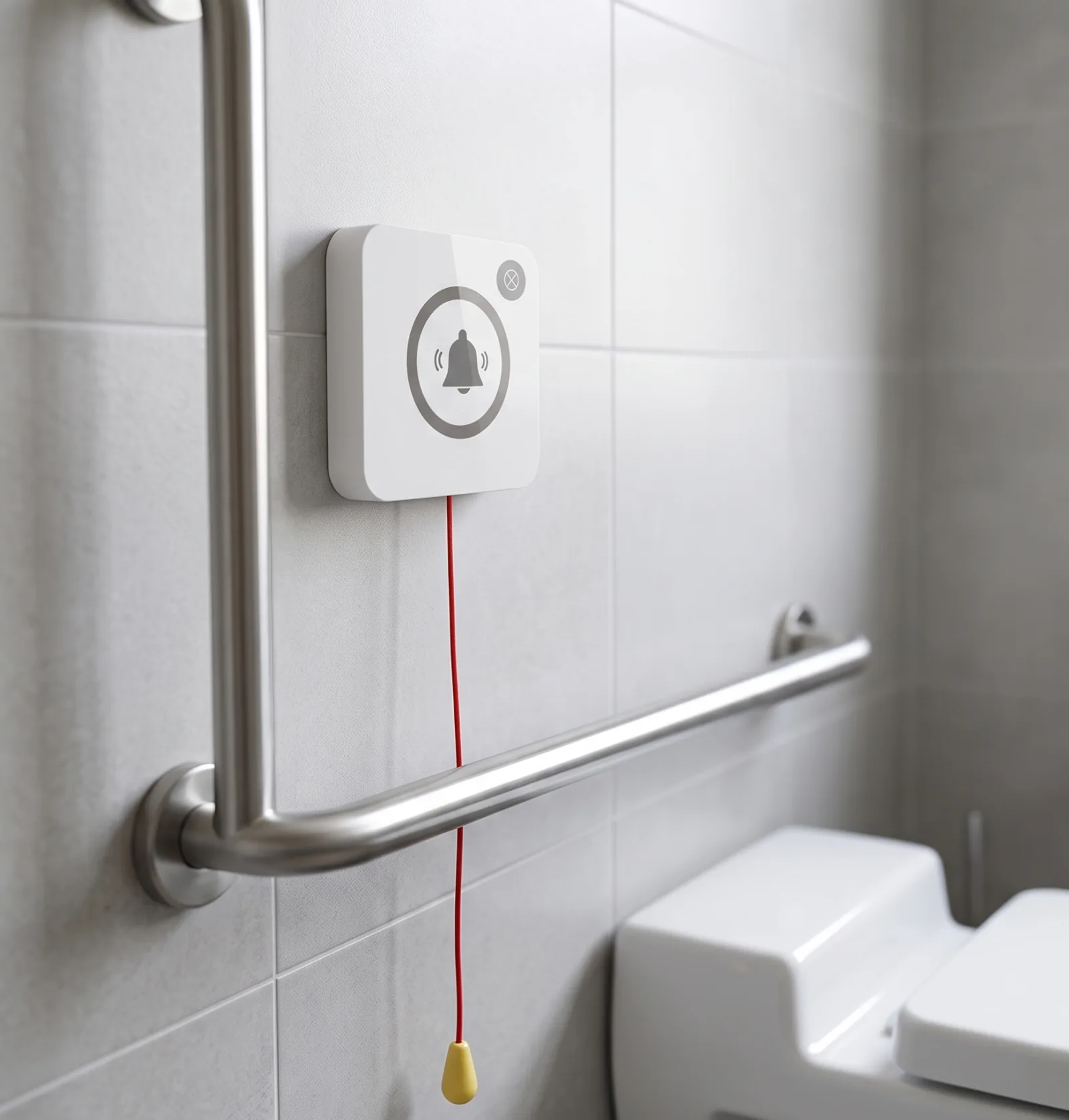
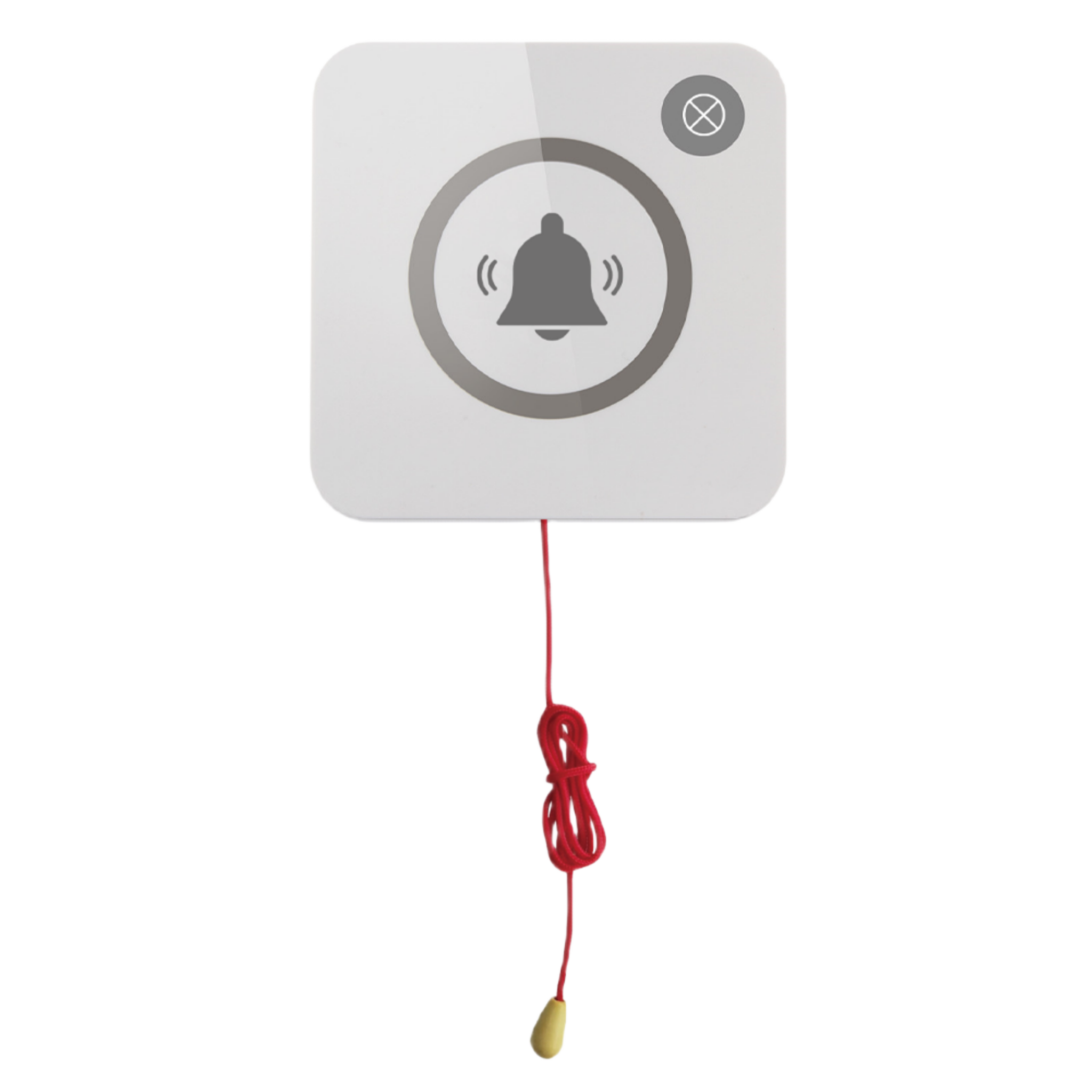
The system is not an off-the-shelf mould: call points, button types and the notification flow are set up around your site, and the buttons are produced to your corporate identity.
Two installations from the field — where the button goes, who the notification reaches.
There is a pull-cord button in the cubicle, at a height reachable from the floor. Whoever pulls the cord calls for help; the notification goes to that floor's attendant, so nobody has to happen past the door — the person called comes.
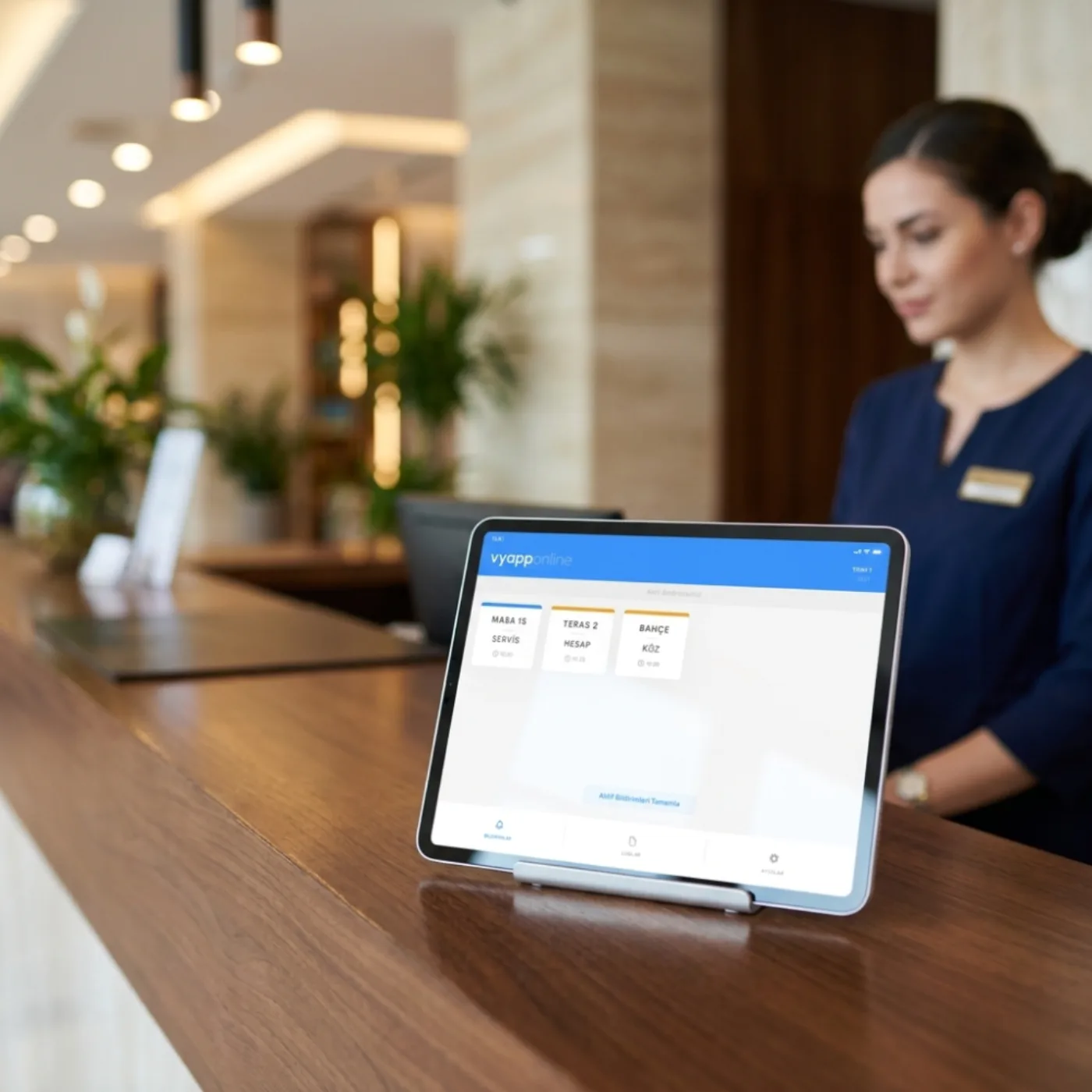
There is a button at the bedside and a cord reaching the floor in the bathroom. When the guest asks for help the notification goes to reception and the floor attendant together; the room number is written in the notification.
Our systems are planned around your needs, set up easily and supported throughout use.


The most asked questions about installation, use and technical details.
Accessibility regulations call for a help call arrangement in accessible toilets; it is one of the items asked about most often in audits. The exact obligation varies with the type of building and the legislation it falls under — we can work out together what your project requires.
It is a wireless solution that lets people with disabilities raise a help request with one key; it is also known as an accessible emergency call button. The call reaches the receiver or the central panel instantly.
It makes rapid response easier in emergencies, sends the need for support quickly to the right team and improves user safety.
It can be used in accessible WCs, public buildings, hospitals, hotels and shared areas.
Yes. The call buttons work with one touch and require no technical knowledge from the user. Pull-cord models are reachable from the floor as well.
Yes. Models suited to wet areas such as bathrooms and toilets are used; the mounting point and the model are decided during the site survey.
Pricing varies with the number of buttons, the receiver type, the coverage area and the scope of installation.
We will respond to your request as soon as possible.
Would you rather not fill in a form?
Reach us directly — the same team answers.
Call Us Send an Email Contact UsTürkiye Office · HQ
İzmir Technology Base, Gülbahçe Mah. İçmeler Cad. No:14/1 Office B05
Bilişim Vadisi, Urla / İzmir 35433, Türkiye
MENA Office · Dubai
Level 21, Al Habtoor Business Tower
Dubai Marina, Dubai, UAE
The same system, in different businesses. Choose yours and see the installation.
A disabled help calling system is a wireless calling solution that lets people with disabilities raise a help request with one key. The call reaches the receiver or the central panel instantly; the attending team sees which point it came from and is dispatched straight there.
It is used in accessible WCs, public buildings, hospitals, hotels and shared areas. The help call point that accessibility regulations look for can be adapted to any space with pull-cord and touch model options.
When the user touches the button or pulls the cord, the signal travels wirelessly to the receiver. The call appears on the pager the attendant carries, on the receiver screen on the wall, or in the management panel. On pull-cord models the cord runs from the ceiling to the floor, so someone who cannot stand up can send a call as well.
The installation is wireless and needs no extra infrastructure or cabling. The number of buttons, the receiver type and the coverage needed are set by the space; the system can be extended later by adding new points.
When choosing a help calling system, the call reaching the right person and the continuity of the system matter as much as the reliability of the device. Vycall offers institutions a sustainable solution with durable hardware, quick installation and support after installation.
Quick, trouble-free installation
Pull-cord and touch model options
A durable body suited to wet areas
Instant notification and uninterrupted communication infrastructure
Pager, screen and mobile app options
A structure adaptable to different institution types
A wireless help calling system is installed without disturbing the existing building and is brought into service quickly. It applies as readily to newly opened buildings as to spaces already in service; call points can be added later.
In an emergency, a shorter response time affects user safety directly. Because the point a call came from is visible, the attending team goes to the right place without searching — and that raises both safety and service quality.
A disabled help calling system is used in accessible WCs, public buildings, hospitals, hotels, shopping centres and shared areas. In accessible toilets the pull-cord help button is the standard solution: because the cord runs from the ceiling to the floor, someone who cannot stand up can still send a call.
In hotels and accommodation, the bathrooms of accessible rooms; in public buildings, information and waiting areas; and in healthcare, visitor waiting sections are typical call points. The same installation works across all of them; only the button model and the receiver placement change.
Prices vary with the number of buttons, the receiver type, the coverage area and the scope of installation. A system installed for a single accessible WC and one covering all the shared areas of a multi-storey building do not sit in the same budget.
On the button side there are pull-cord and touch models; on the receiving side there are pager, receiver screen and mobile app options. These components, chosen to suit the need, determine the total cost; during the site survey it is decided together which model suits which point.
We will respond to your request as soon as possible.
Talebiniz alındı
Ekibimiz en kısa sürede size dönecek. Teşekkür ederiz.