




 TR
TR
- Vytech
- 17 July 2026
Electronic Shelf Labels (ESL): The Quiet Transformation of Retail Stores
If you've walked into a grocery store lately and noticed small digital screens instead of paper price tags, that's no coincidence. The retail industry is rapidly shifting to Electronic Shelf Label (ESL) systems. So what exactly is this technology, how does it work, and what impact does it have on both businesses and consumers?
What Is an ESL?
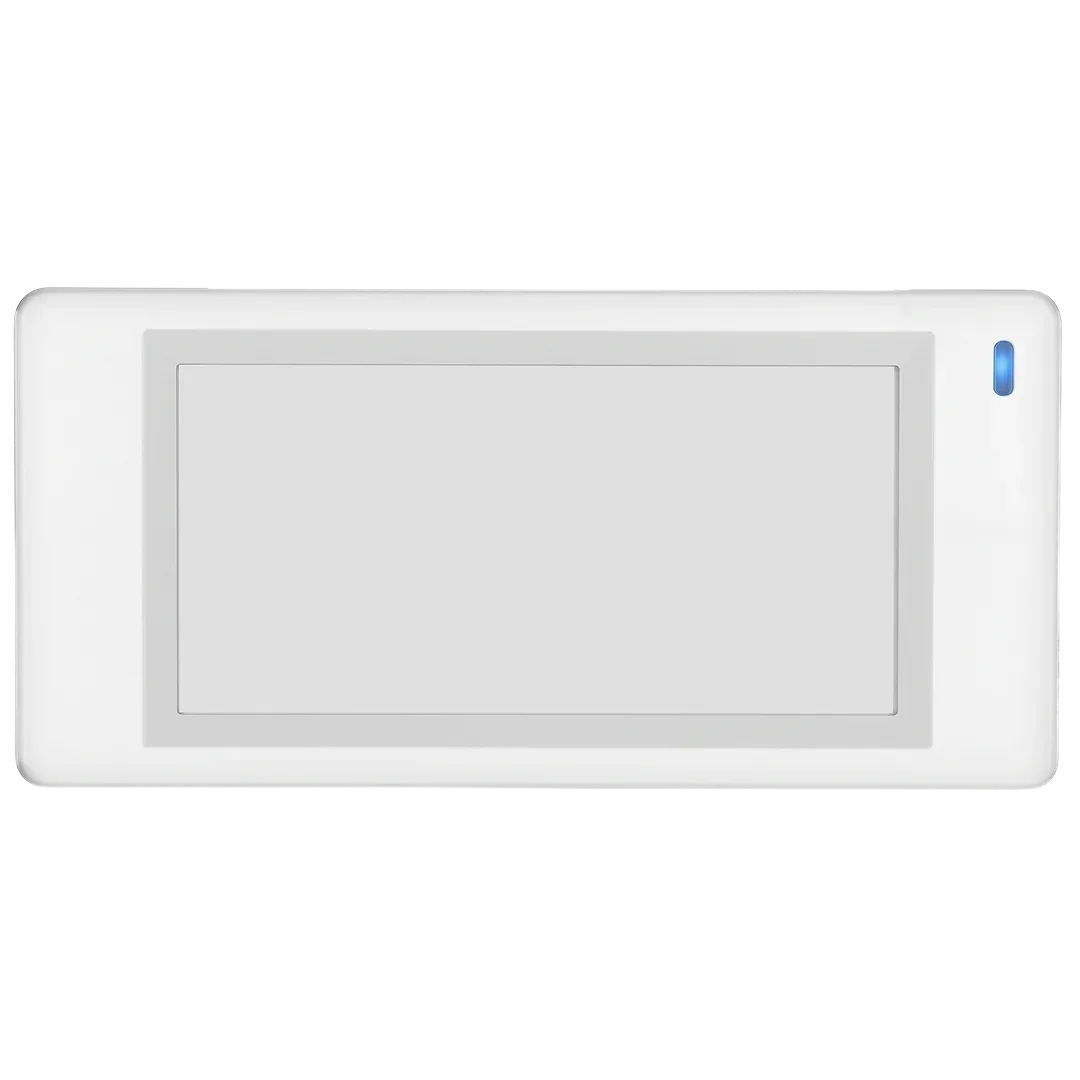
Electronic shelf labels are digital displays that show product price, barcode, promotional information, stock status, and even origin data, managed from a central system over a wireless network. They're typically built with e-paper technology, which means they consume very little power and their batteries can last for years.
In the traditional approach, whenever a store wanted to change a price, staff had to print a new label for each product one by one and stick it on the shelf. In a store with thousands of products, this meant a significant loss of time and labor. ESL systems eliminate this process entirely: with a single command sent from the central software, all prices across a branch — or even a nationwide chain — can be updated within seconds.
How Does It Work?
An ESL system isn't a single product; it's an integrated setup made up of several components:
- Digital labels: e-paper screens mounted on shelves that display price and product information
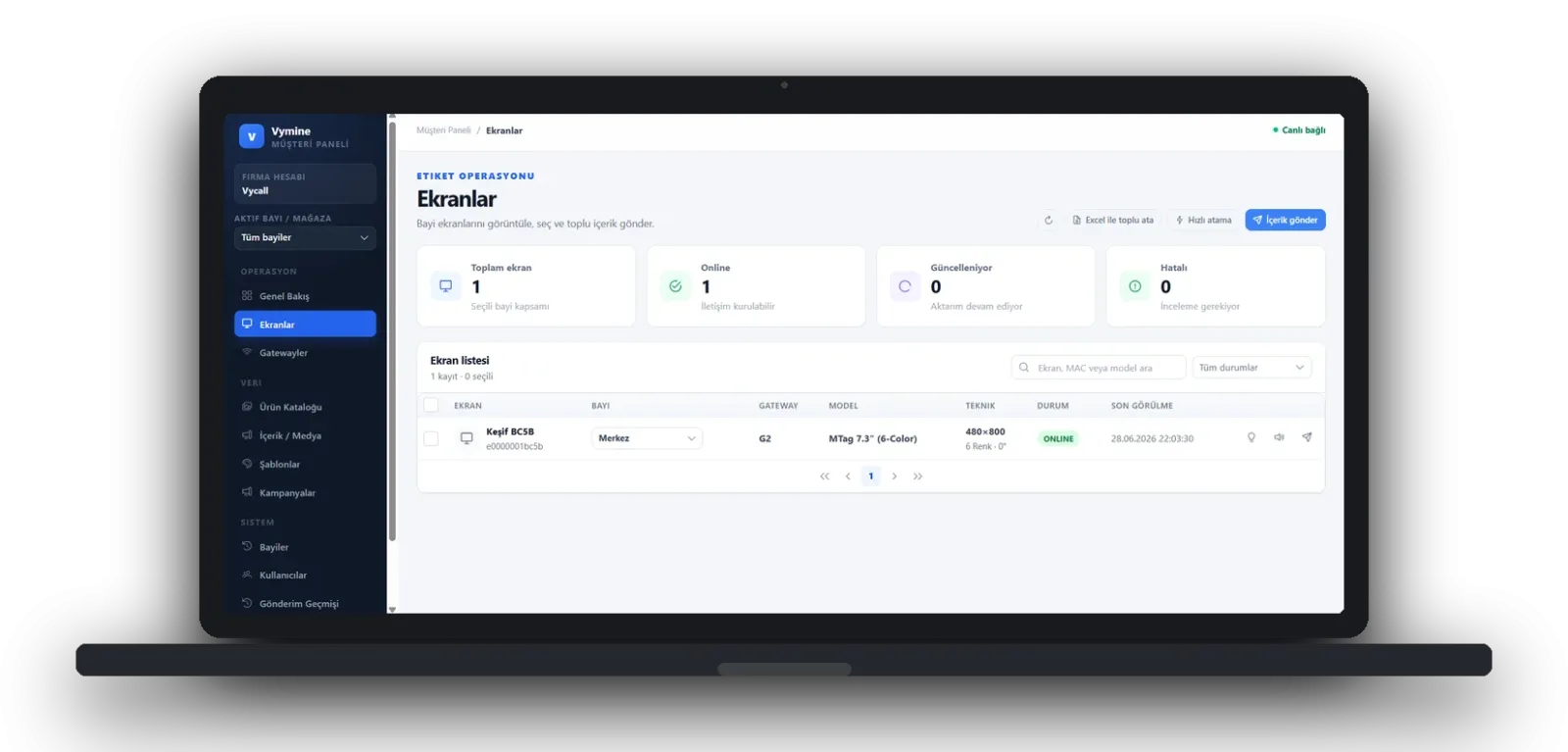
- Central software: the control panel where price and stock data is managed
- Integration layer: the software layer that exchanges data with the store's ERP, POS, or CRM systems
- Wireless communication infrastructure: Wi-Fi or similar protocols that let the labels communicate with the central system
The setup process is also relatively fast; after the store's infrastructure is analyzed, labels are mounted on shelves and the software integration is completed, allowing a store to transition to ESL in a short period of time.
Why Is It Spreading So Fast?
There are a few core motivations driving the industry's shift to ESL:
Operational efficiency: For large chains that update prices multiple times a day, manual label changes were both costly and error-prone. Digital systems remove this burden entirely.
Price consistency: One of the most common consumer complaints has been a mismatch between the price shown on the shelf and the price charged at checkout. Since ESL feeds both shelf and checkout data from the same central system, it largely eliminates this discrepancy on a technical level.
Sustainability: Reduced use of paper labels also aligns with companies' environmental sustainability goals.
The Picture in Turkey and Around the World
In Turkey, major retail chains now rarely open new stores without ESL installed from the start; local chains, meanwhile, are adopting the system gradually, often starting with high-turnover sections like produce or deli counters. Considering that an average store carries between 15,000 and 40,000 different products, a significant portion of which need price updates during the day, the scale of this transformation becomes clearer.
The global picture is similar: a major retail chain in the UK and Ireland is currently rolling out ESL across thousands of stores, with completion targeted by the end of 2026. Market research projects the global ESL market will grow at an annual rate of roughly 15–18%, reaching a multi-billion-dollar scale in the coming years. The main drivers behind this growth are rising demand for real-time price accuracy and the increasing push toward automation in retail operations.
The Other Side of the Coin: Ongoing Debates
Along with the convenience ESL brings, it has also sparked debate. The ability to change prices instantly and centrally has raised concerns among some consumer groups about "dynamic pricing" or demand-based price manipulation. As a result, some consumer advocacy groups are calling for a requirement that store systems maintain a transparent, auditable digital record of historical price changes. These discussions are expected to become more frequent as the industry continues to expand.
Conclusion
Electronic shelf labels are part of a deep but understated transformation in the retail sector. The shift from paper to digital labels benefits both businesses and, to some extent, consumers by saving time, ensuring price consistency, and supporting sustainability goals. However, how the pricing flexibility this technology offers will be used remains a topic worth watching closely in terms of regulation and consumer rights going forward.