













How is a waiter called at the pool and on the beach?
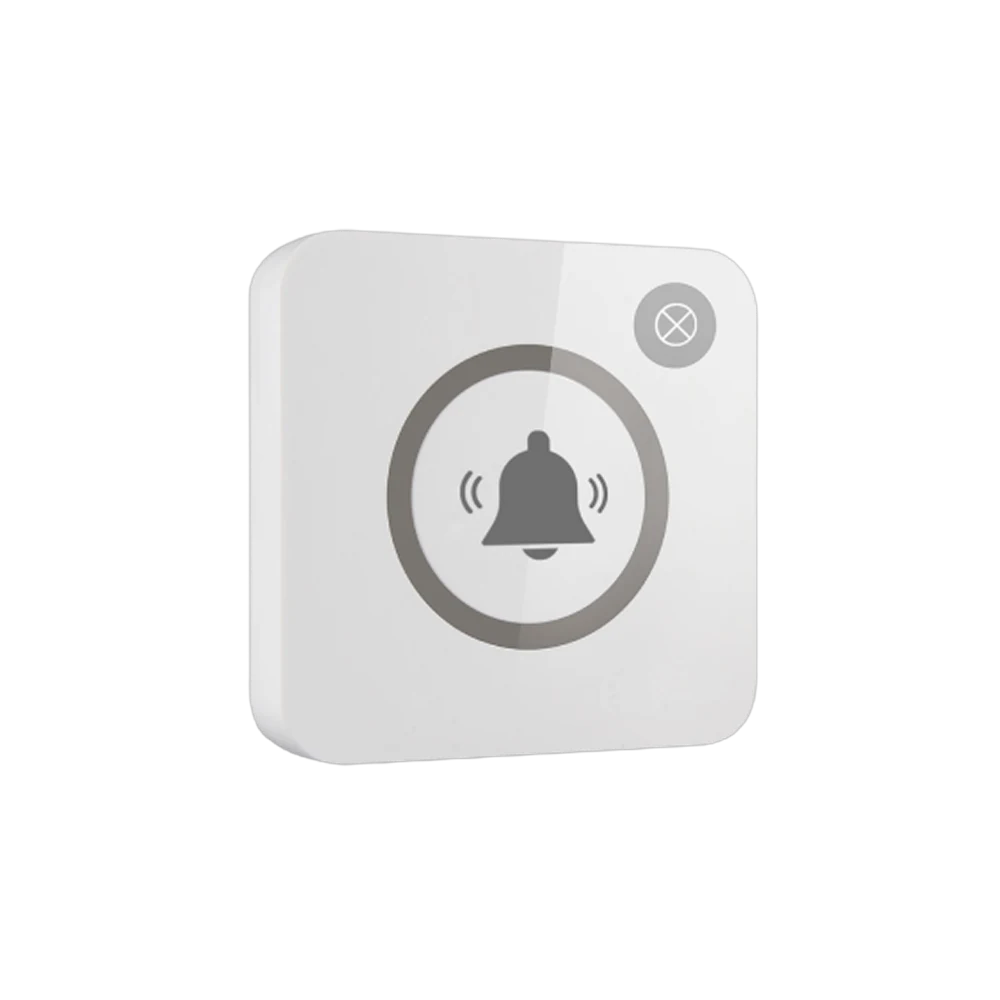
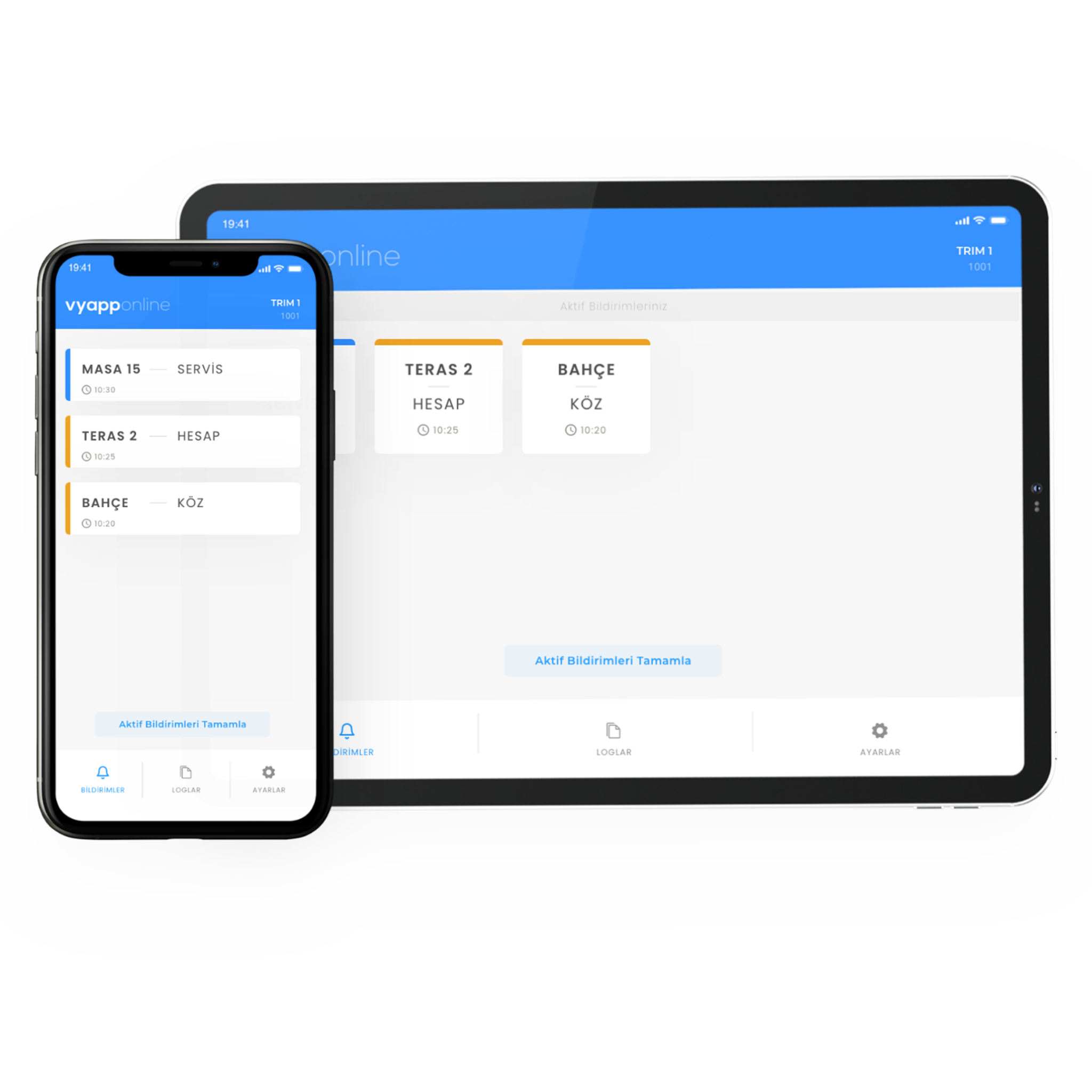
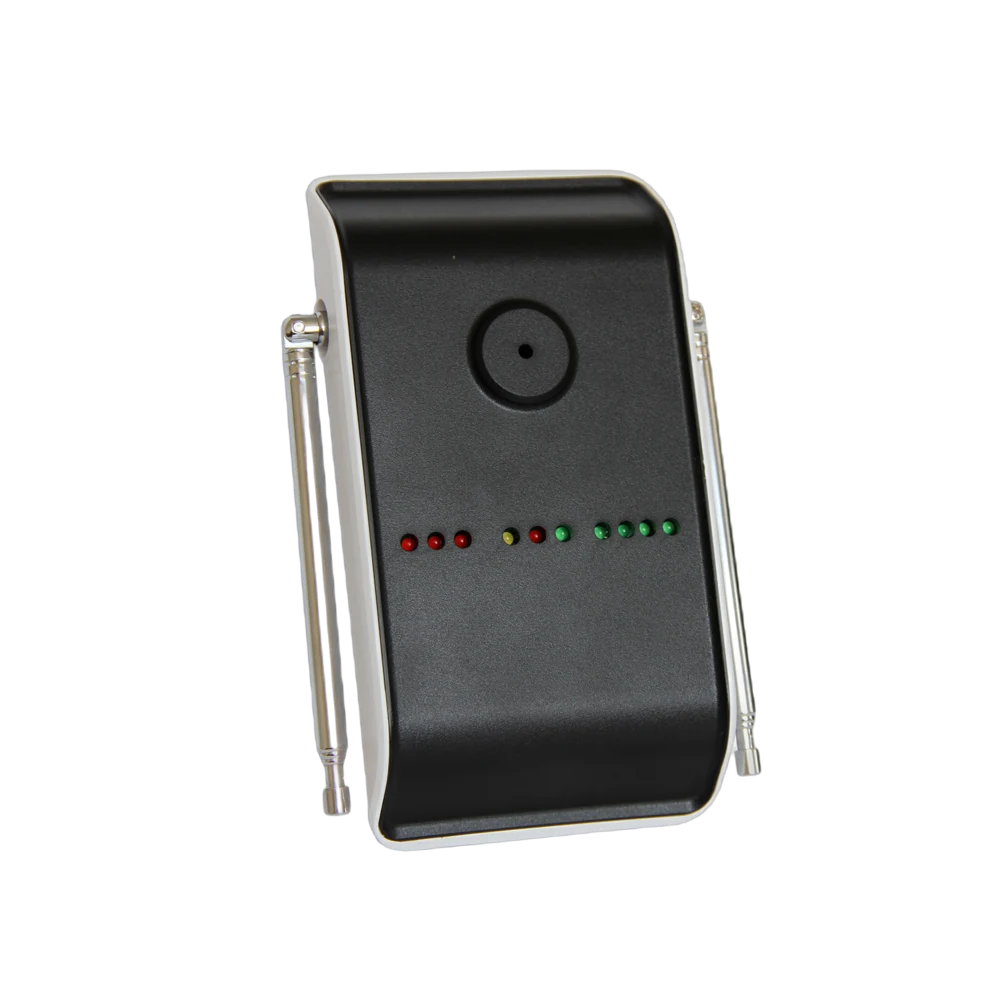
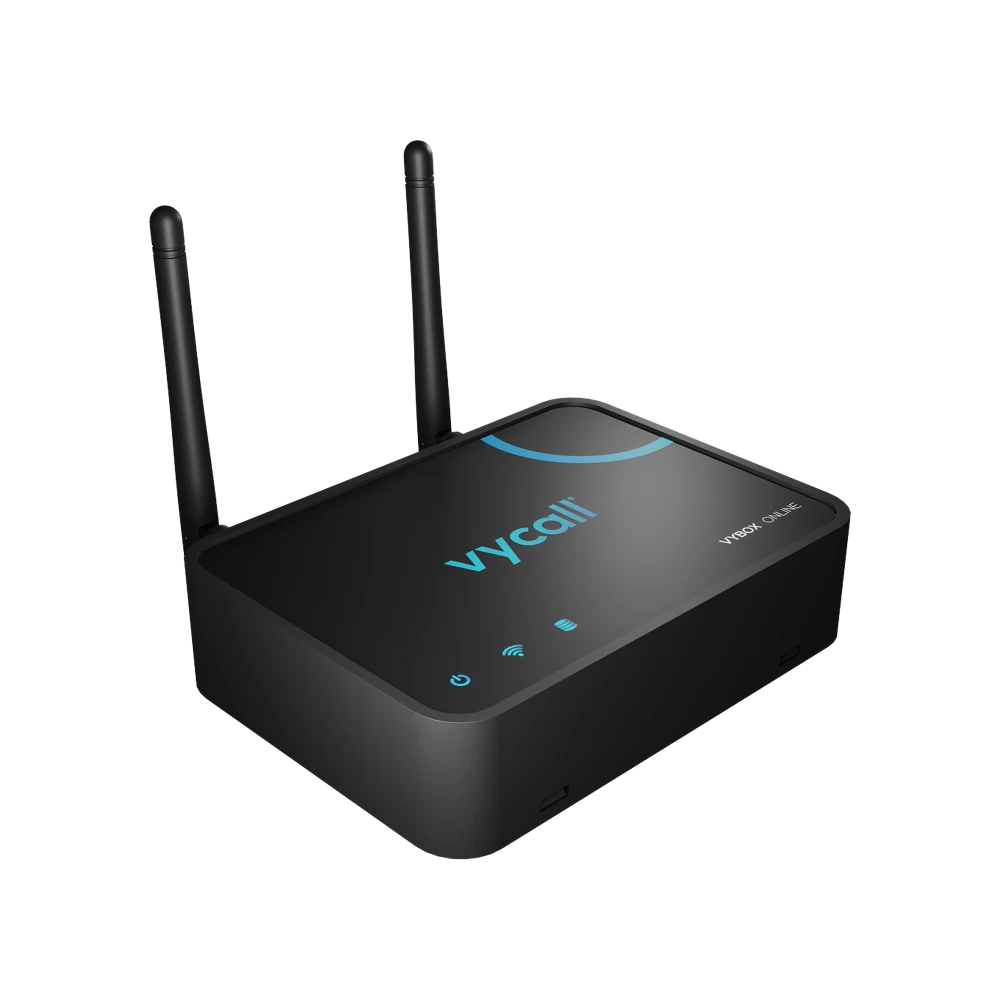
The guest on the sunbed does not look for a waiter or raise a hand; they reach for the button on the side table and press "Service". The notification goes to the pool team at that moment — "Pool 14 · Service" — and the waiter already knows what is wanted before setting off. Which device the notification lands on is the operator's choice: a phone, a pocket pager, the screen in the service office, or all of them at once. If the pool and the restaurant are far apart a signal repeater goes in between, and with VyApp Smart Call notifications arrive instantly over the internet.
Below we describe how this is set up in the field: where the button is fitted, which key carries which request, who receives the notification and how a shift goes.
Where does the button go, what does each key do?
There is no single layout in a hotel. What a guest needs at the pool is not what they need at a restaurant table, so the key layout changes with the area. This is the layout we install most often:
| Area | Where the button goes | Key 1 | Key 2 |
|---|---|---|---|
| Poolside sunbed group | Stuck to the side table between two sunbeds | Service | Towel |
| Beach / under the parasol | Clamped to the parasol pole | Service | Bill |
| Cabana and VIP lounge | On the side table, numbered | Service | Bill |
| Pool bar, snack area | On the guest side of the bar counter | Service | — (one key is enough) |
| Restaurant and à la carte tables | At the table edge, next to the menu stand | Service | Bill |
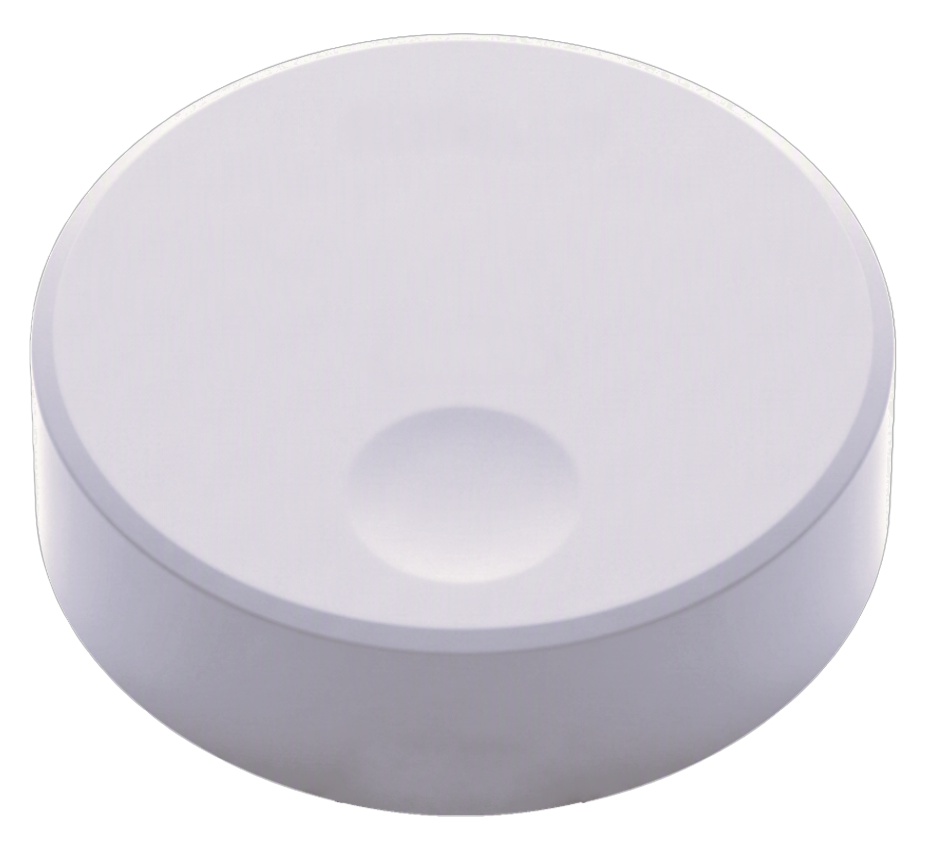
Why two keys? Because "send a waiter" and "I would like a towel" are not the same job. At the pool the two most frequent requests are service and towels; on the beach it is the bill. When the key matches the request, the waiter sets off knowing what to bring. With a single key they walk over, ask, then walk back to fetch it — two rounds to the same sunbed.
If a third request is needed (cleaning, for instance) a second button is added to that area, or a virtual button goes on the table via QR; adding buttons works out cleaner in the field than forcing more keys onto one.
What happens on the guest side?
The guest makes exactly one movement: a single tap on the key. There is no need to hold it down or press twice — the blue light in the base flashes once, the guest sees that the request has gone and settles back. When the waiter arrives there is no conversation about what was wanted: if the towel key was pressed they come with a towel, if the bill key was pressed they come with the card machine.
Nothing has to be taught to the guest. The two words on the button ("SERVICE" / "TOWEL") and the icon do the explaining. In hotels with a multilingual guest profile the print uses icons instead of words — a glass and a towel say the same thing in every language.
Who receives the notification, on which device?
The operator decides where the notification lands. All three routes are used in the field, and most hotels use two of them together:
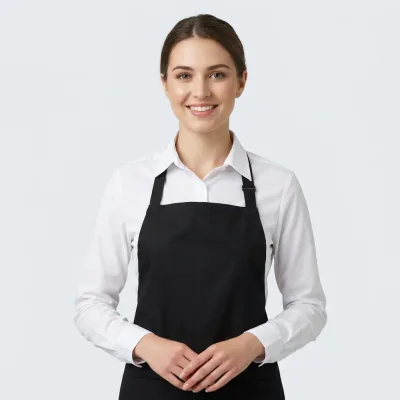
- To a phone — with VyApp Smart Call. The waiter receives the notification on their own phone and carries no extra device. Because notifications travel over the internet the waiter sees them instantly whether they are at the pool, on the beach or in the restaurant; across wide areas like a pool-and-beach layout this is the most preferred route.
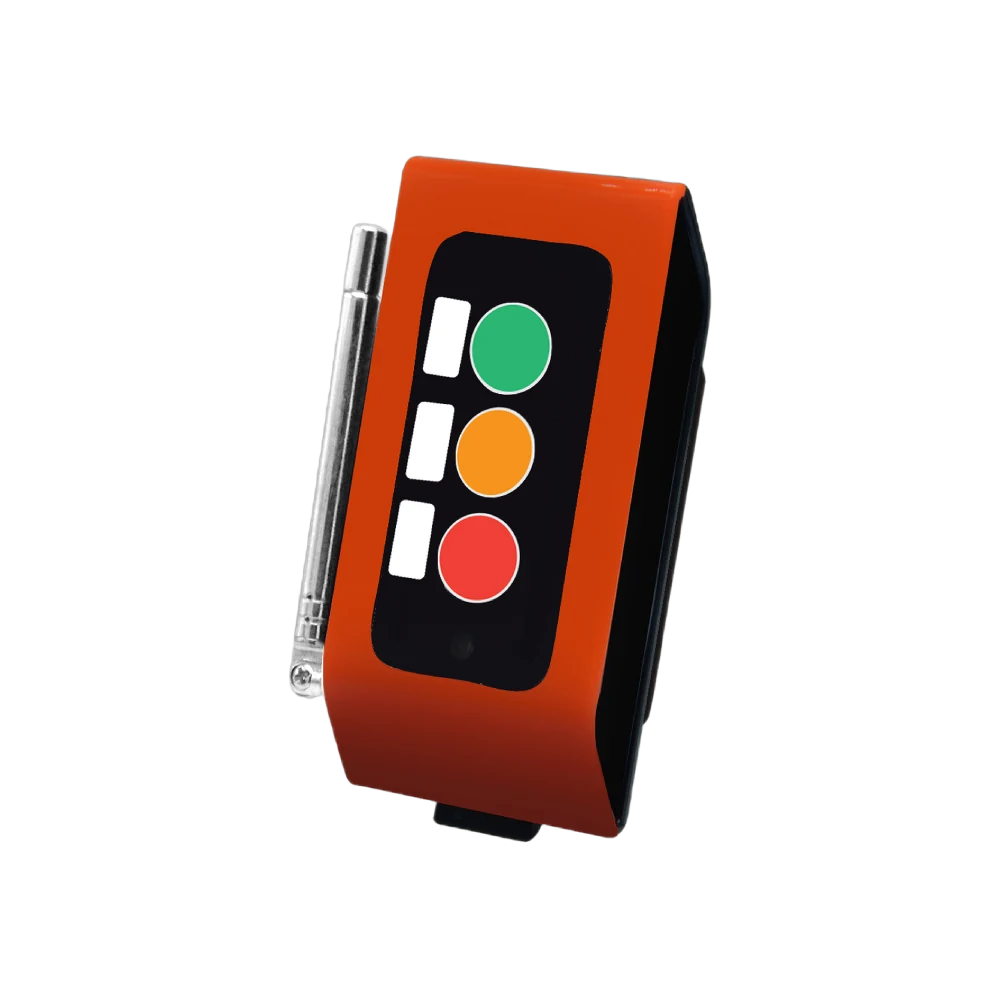
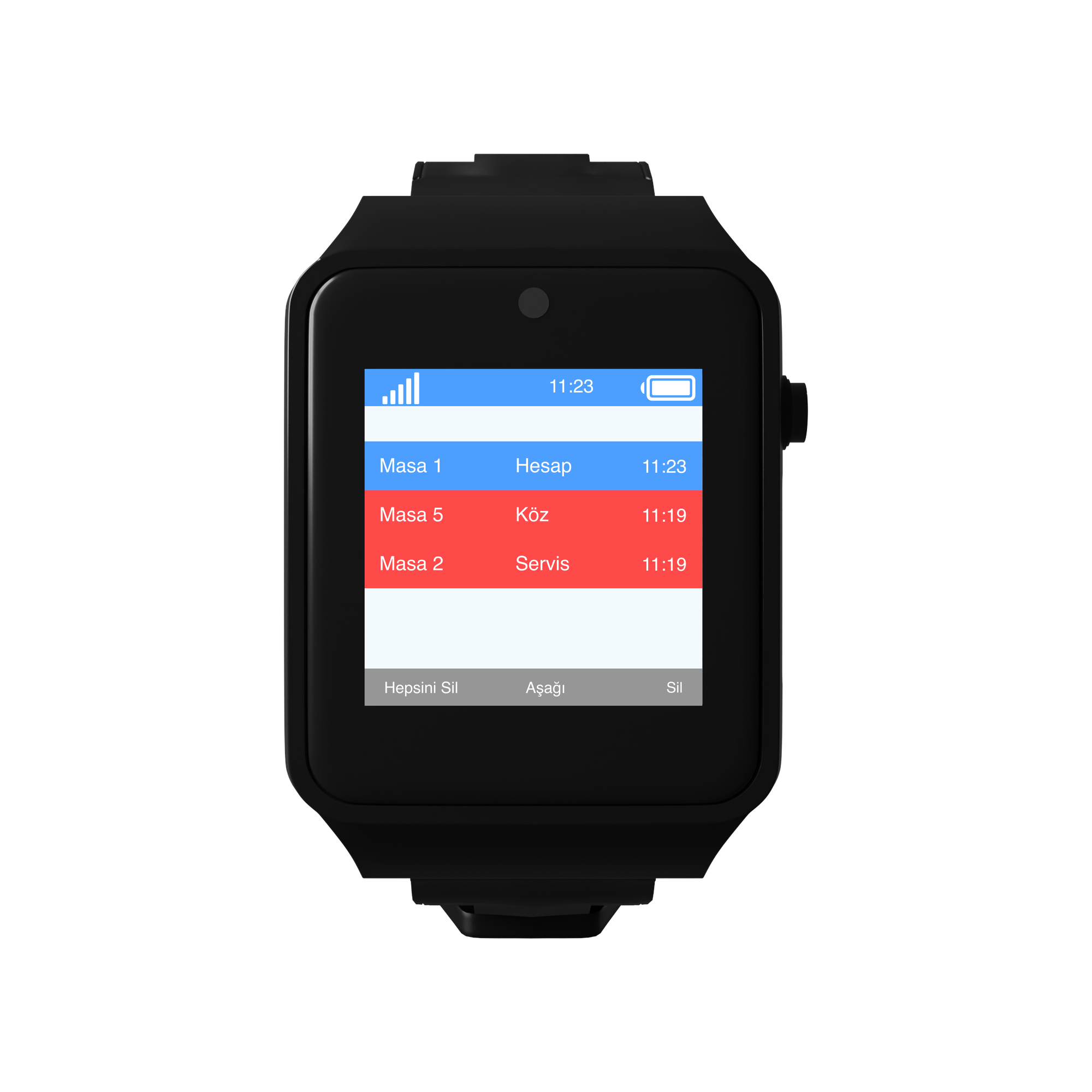
- To a pocket pager — A35WP. Used where staff do not work with their phones, in uniformed service setups. Vibrating and water resistant.
- To a wall screen — a D20 display behind the pool bar or in the service office. It lists the waiting requests; the head waiter sees the whole area at a glance.
The information shown is always in the same form: area + number + request. "Beach 07 · Bill". The number is the label given to the button during installation; it is kept identical to the sunbed number so the waiter can go straight there without consulting a map.
The same notification can reach more than one device. In most hotels the service team's phones and the screen behind the bar work together: while the waiter is on the way, the head waiter also sees the state of the area.
How does a shift go?
Morning, before opening. While the pool attendant arranges the sunbeds they also put the buttons back on the side tables. Because the button is battery powered and wireless it is collected and stored at the end of the season and put back at the start of the next — no cable is run to the poolside.
Midday, the busiest hour. Requests arrive back to back at the pool. They are all listed in order of arrival and the waiter starts with the oldest. In a rush the order is what helps most: nobody argues about who asked first.
Afternoon, towel traffic. A guest coming out of the pool presses the towel key. If that request is routed to the towel attendant it never occupies the service team's screen at all. This separation noticeably lightens the waiters' load.
Evening, moving to the restaurant. The same system works at the à la carte tables. This time the second key is the bill; the guest asks for it without getting up and the waiter arrives with the card machine.
Closing. At the end of the day the management panel shows how many calls came from each area and what the average response time was. The next day's staff distribution is planned by looking at that table.
How many buttons are needed?
A typical distribution for a mid-sized resort:
| Area | Quantity | Button |
|---|---|---|
| Pool sunbeds (1 per 2 sunbeds) | 30 | B300, 2 keys |
| Beach parasols | 20 | B300, 2 keys |
| Cabana / VIP | 6 | B300, 2 keys |
| Pool bar and snack | 4 | B300, single key |
| À la carte restaurant tables | 24 | B300, 2 keys |
| Total | 84 buttons |
On the receiving side: VyApp Smart Call on the service team's phones, one screen at the pool bar and one in the service office. If the pool and the beach are far apart with a building in between, a signal repeater joins the line.
What is watched during installation?
Water. The poolside and the beach are wet areas. A water resistant body is chosen and the button is fixed to the side table with double-sided industrial tape or a screw; a button left loose on a table goes missing.
Sun. A button in direct sun is specified with a white body; a dark body heats up and the print fades.
Range. Range is generous in open areas. If there is a concrete wall between the pool and the kitchen, or the beach sits far from the pool, a site survey is done before installation and a repeater goes to a midpoint — the furthest corner of the property then hears at the same moment.
Numbering. The number on the button matches the sunbed number. On its own, this is the detail that most shortens the time it takes the waiter to reach the right place.
Printing. The hotel logo and the request wording are UV printed on the button. The guest reads it as a service of the hotel; it does not look like a device fitted afterwards.
Battery. The button runs on a battery and has no cable. As the battery nears its end a warning appears in the management panel; there is no bulk swap mid-season, only the ones that warn are changed.
