















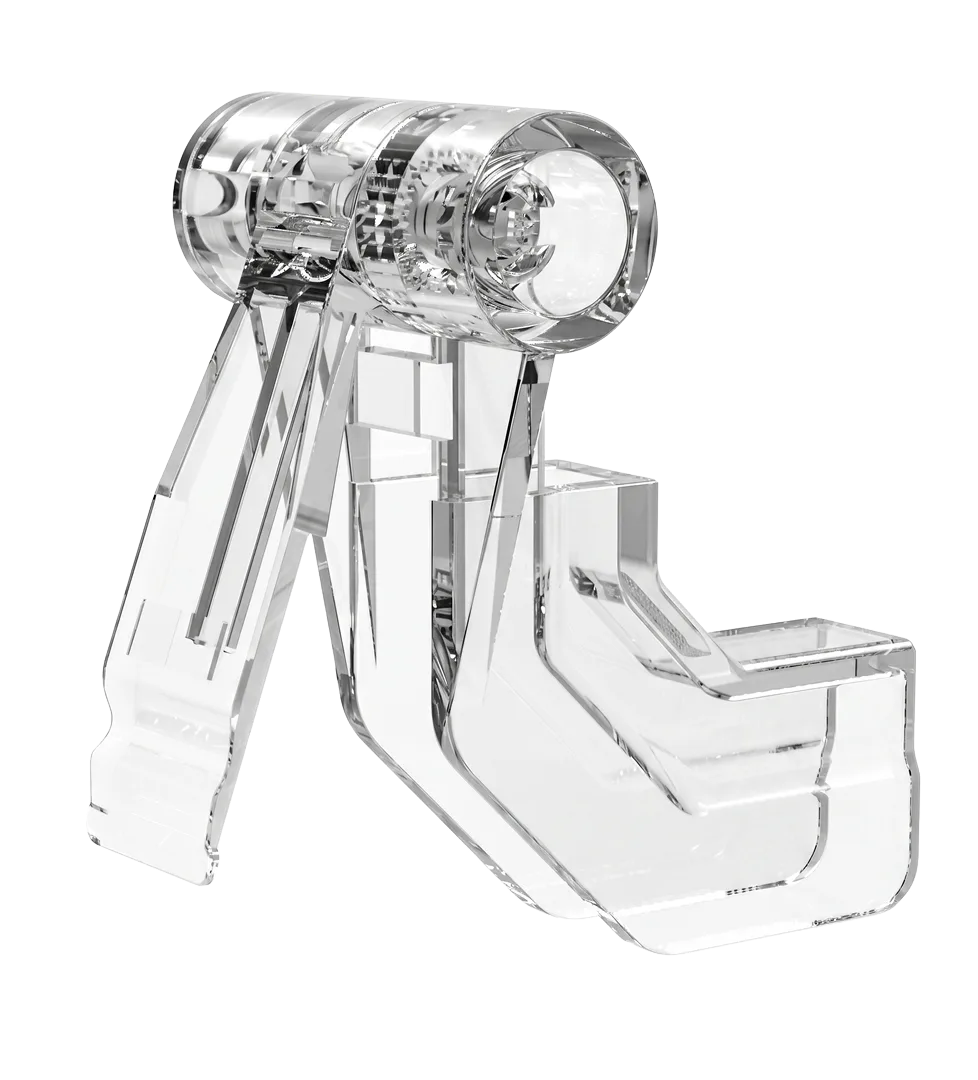

How is a waiting customer called when their turn comes?
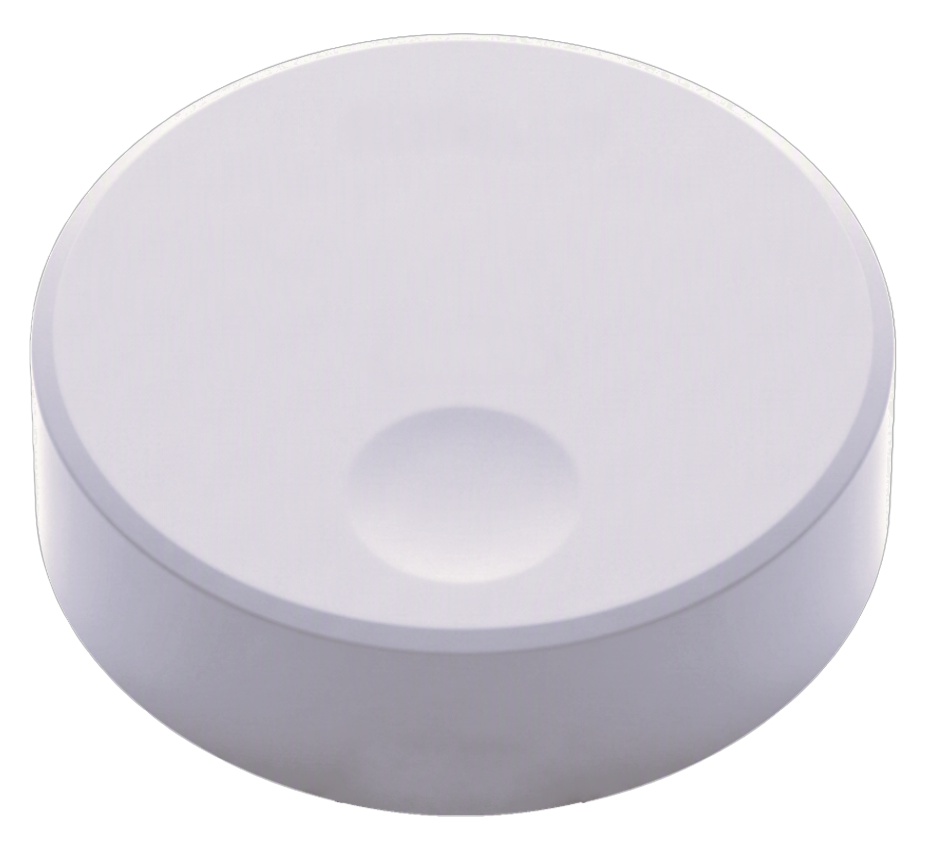
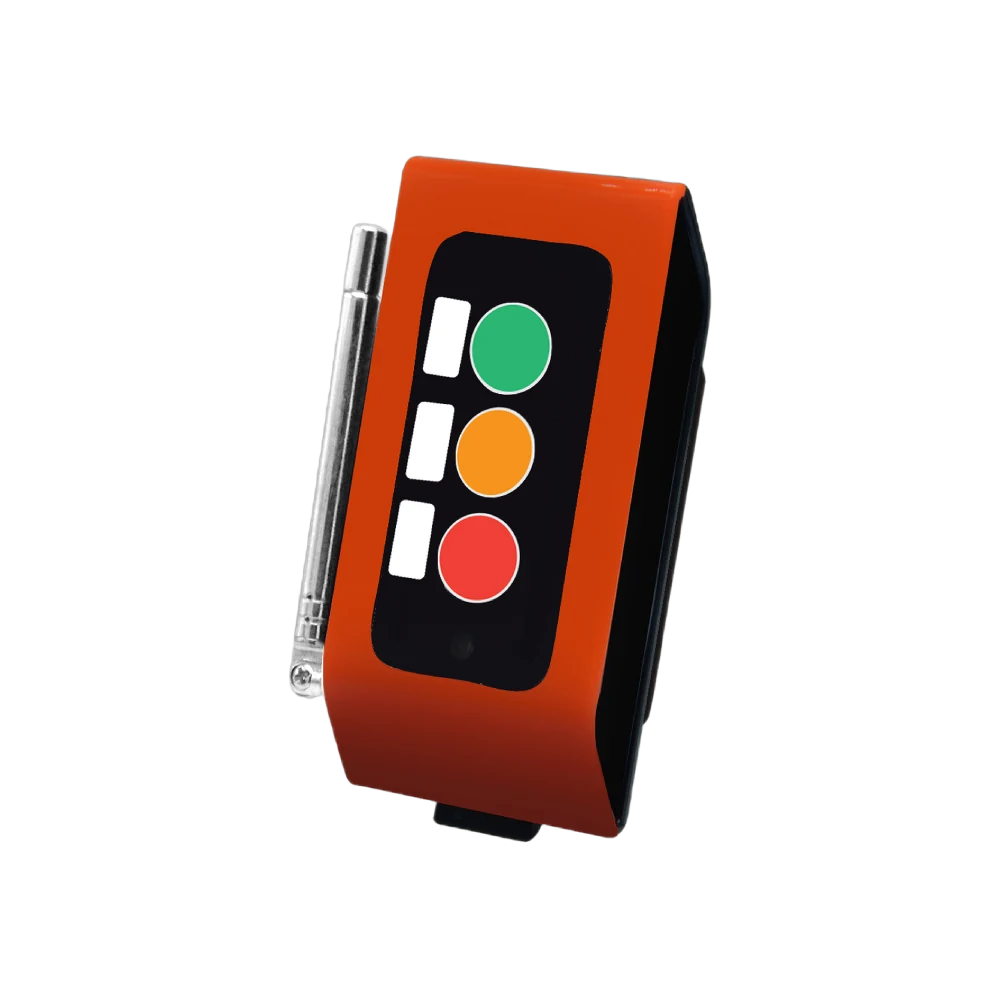
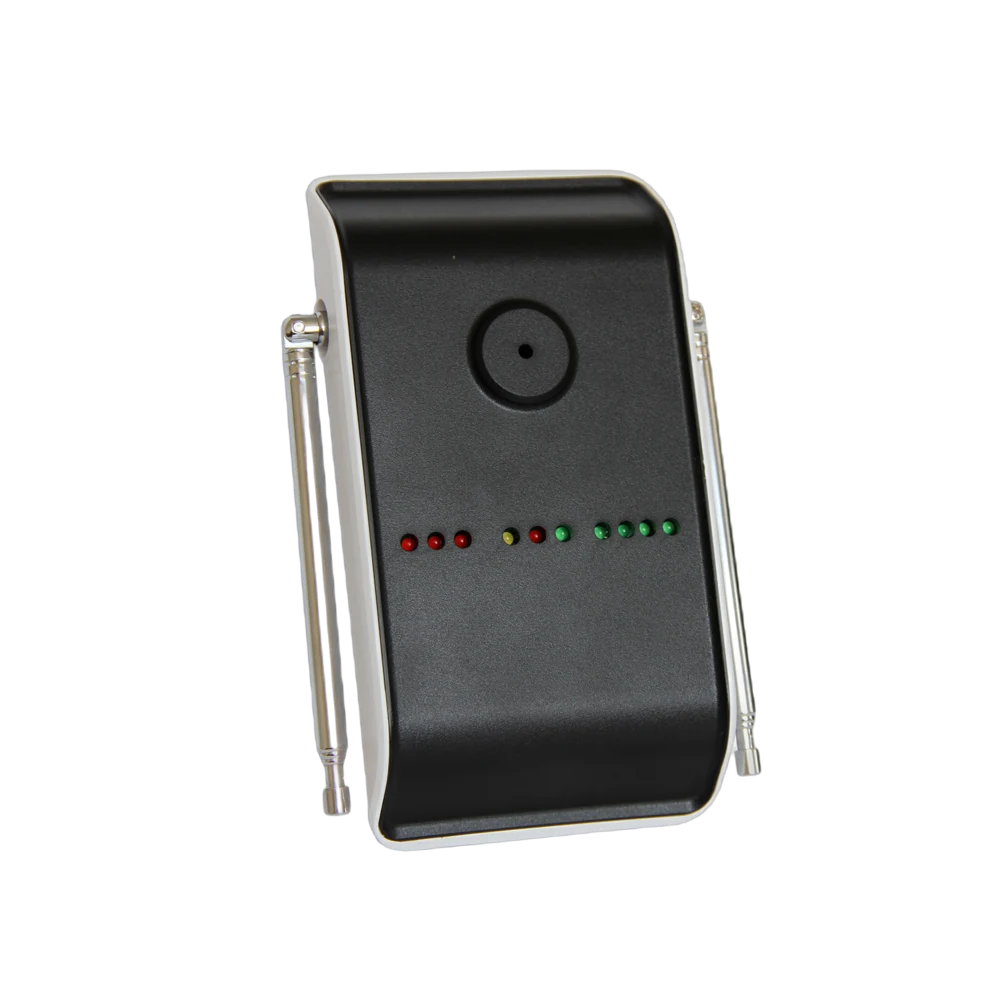
The customer registers, takes a vibrating device and moves to the waiting room; they do not stand by the door in case their name is read out. When their turn comes the attendant keys in the device number, the device alerts by vibrating and the customer goes in. The waiting area stays quiet, staff announce no names, and there is no argument about the order being lost.
Below we describe how this is set up in the field: when the device is handed over, what happens on the attendant's side, how many devices are needed and how the busy hour goes.
In which areas, and how is it set up?
| Area | Who receives the device | Who makes the call |
|---|---|---|
| Car service, tyres and wash | The customer leaving the vehicle | Service advisor |
| Clinic and consultation waiting room | The registered patient | Receptionist or nurse |
| Store and showroom (fitting, setup) | The customer waiting their turn | Sales advisor |
| Parcel and collection point | The customer waiting for a handover | Warehouse attendant |
| Hair and beauty salon | The guest waiting for an appointment | Salon attendant |
The common thread: the customer's wait exceeds ten minutes and the waiting place is separate from where the service is given. If the two are together, no device is needed.
Why a device instead of calling out a name? Because an announcement adds noise to the waiting room, does not reach a customer who has stepped outside, and reading out names is not appropriate everywhere. A vibrating device carries the alert straight to the person.
What happens on the customer side?
The customer takes the device and spends the wait wherever they choose: sitting in the room, stepping out for a coffee, going to their car. They do not keep watching the door. When the device vibrates they come back.
Being free while waiting creates more satisfaction than the length of the wait itself. In car service in particular, the customer learns the answer to "do I have to sit here until it is done?" the moment they are handed the device.
What happens on the attendant's side?
The attendant makes one movement: keying in the number of the device whose turn has come. They do not step into the waiting room to read out names or look for the customer.
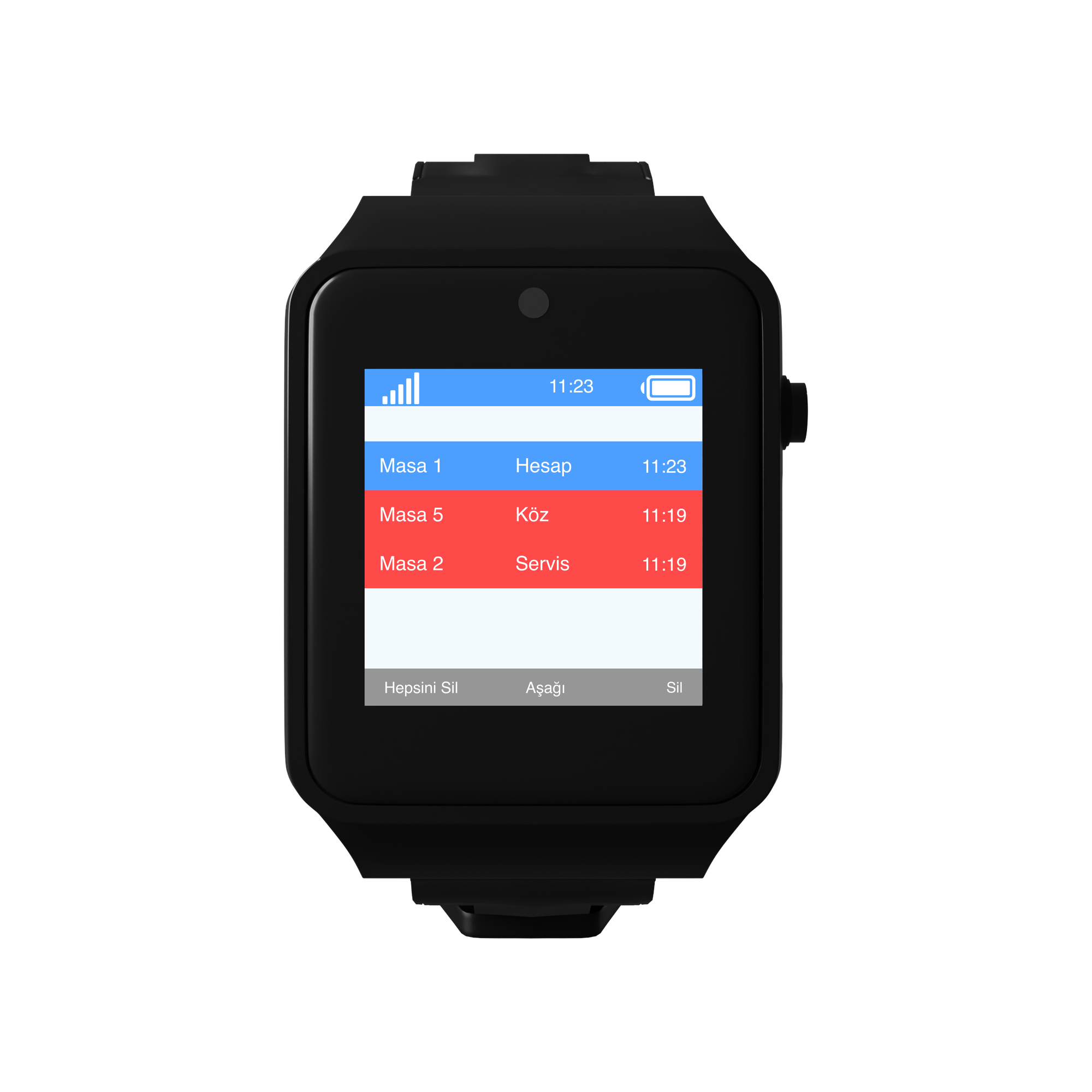
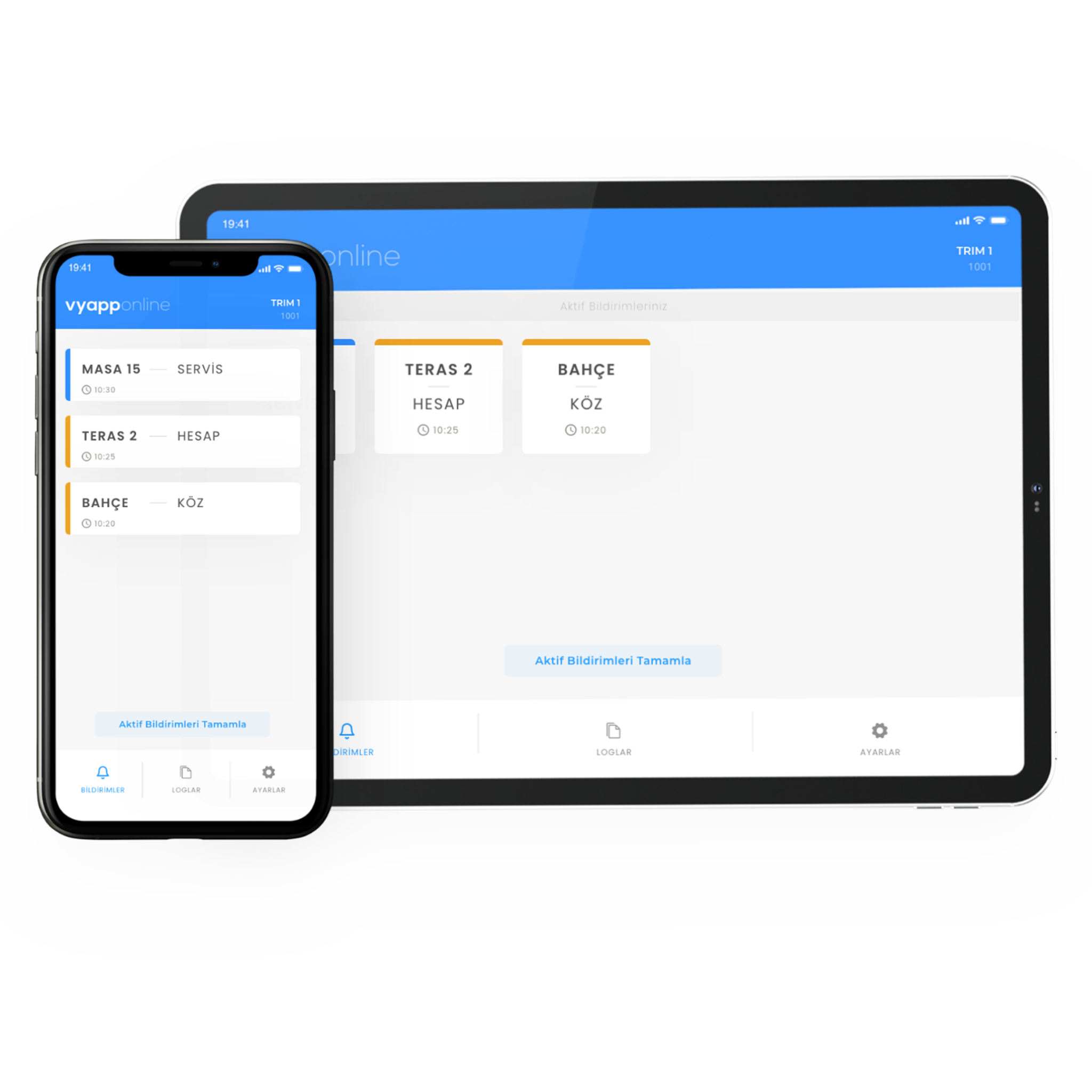
The notification does not have to go only to the customer device; if the business wants, the same call becomes visible on the staff side as well. The waiting queue is listed on a screen and the advisor sees who has been waiting and for how long. This makes visible the subject that causes the most argument during a day — the order.
How does the busy hour go?
Opening. The devices are lined up in the stand, charging. The loop starts with the first customer.
The busiest hour of the morning. Many people are waiting at once. The waiting room is full but quiet; nobody watches the door worried about missing their turn.
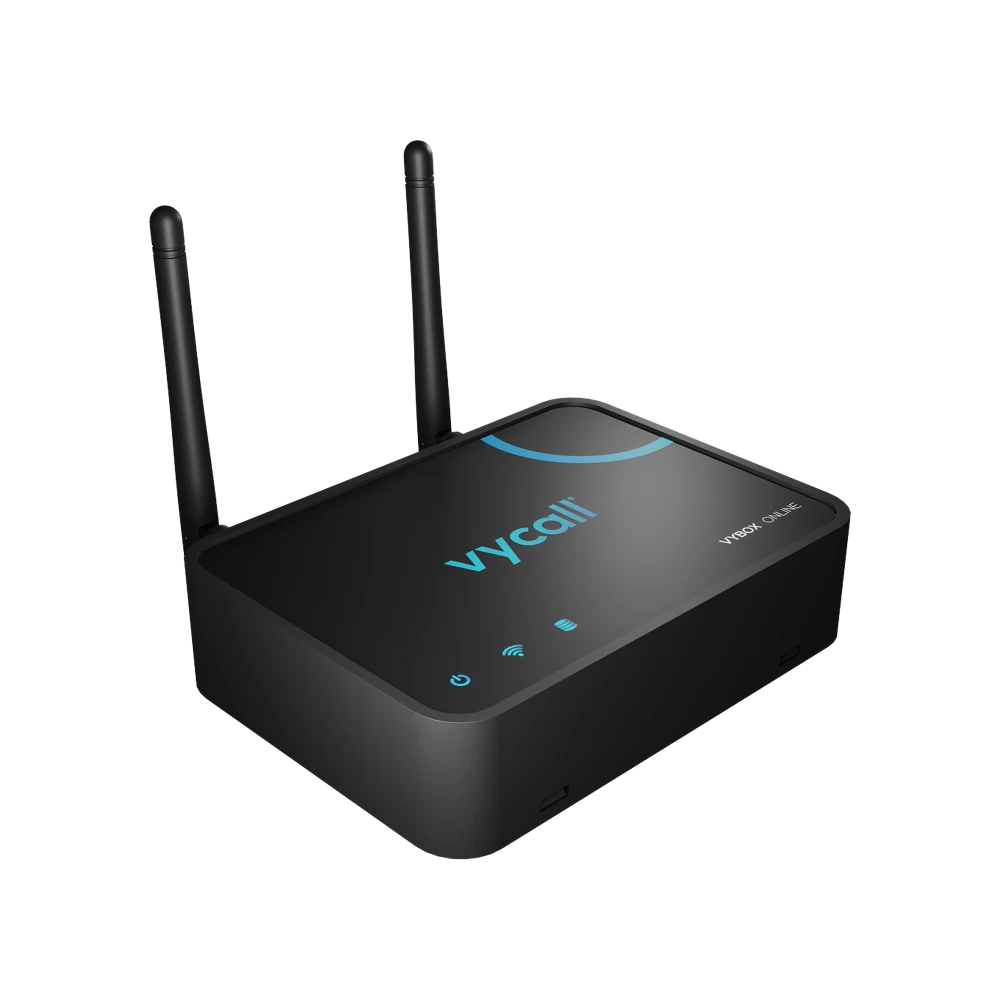
When a job runs long. The customer steps out, gets a coffee, parks their car. As long as the device stays within the coverage area it receives the notification; on a large site a repeater goes to a midpoint.
When the order is disputed. Because the waiting list sits on a screen, who arrived first is visible. No argument follows.
Closing. The devices are collected into the stand. The panel shows how many calls the day carried and the average waiting time; staff planning is done by looking at that table.
How many devices are needed?
A typical distribution for a service point with an average of 15 people waiting at once:
| Point | Quantity | Device |
|---|---|---|
| Customer paging device | 20 | MC-S10 customer device |
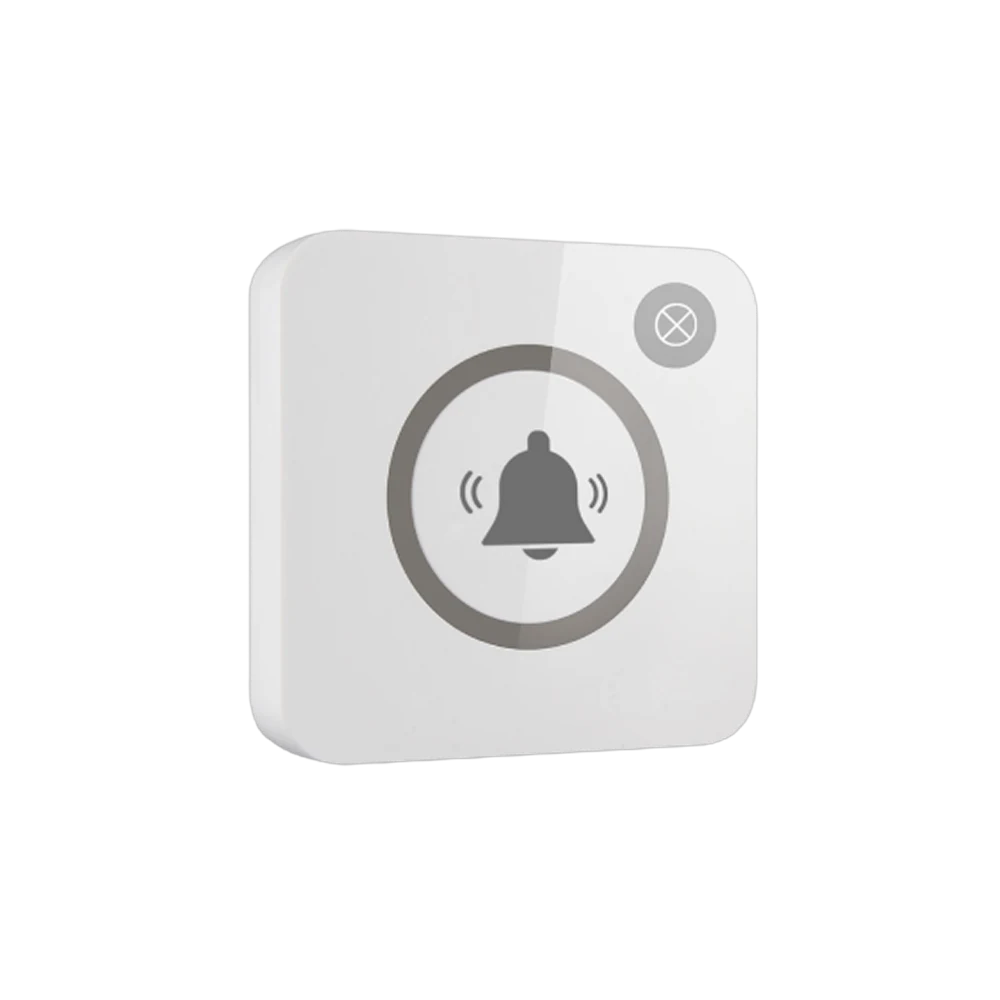
| Charging and calling stand | 1 | MC-S10 stand |
| Waiting queue screen | 1 | D20 Display |
| Total | 20 devices + 1 screen |
The rule: slightly above the number of people waiting at once at the busiest hour. When there are too few the system does not work, because a customer left without a device starts watching the door again.
What is watched during installation?
Stand position. The stand goes beside the registration or greeting point; the device is handed over as part of the registration itself.
Coverage area. The places the customer may step out to (car park, garden, café) are included in coverage. A site survey is done before installation and a repeater is added if needed.
Device count. Calculated for the busiest hour.
Printing. The venue's logo is printed on the device; it becomes an object held by the customer.
Hygiene. In clinics and healthcare areas devices with wipeable surfaces are chosen.
Return. The point where the device is returned sits somewhere visible, on the way out.
